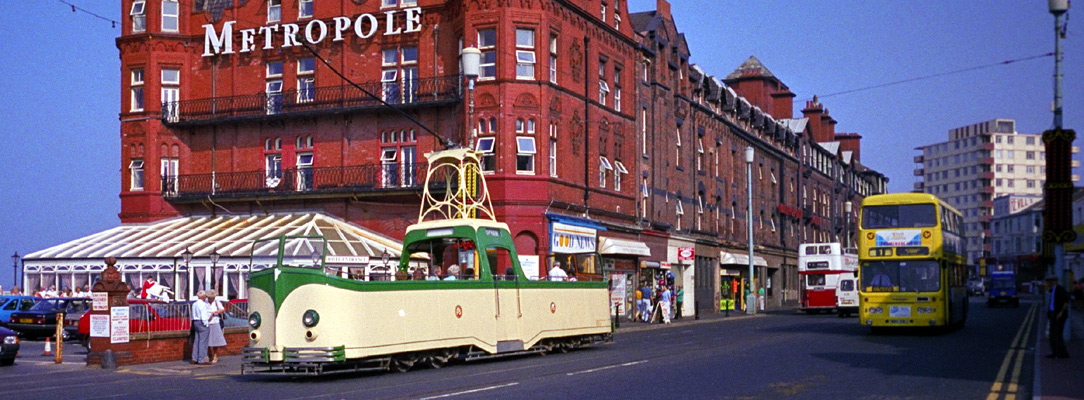
When passing the Metropole hotel the trams ran along the public highway in a way which saw southbound trams and northbound road traffic sharing the same road space. Unfortunately the fleet number of the 'open boat' type of tram is not visible, so its exact identity remains a mystery. Also unknown is the identity of the open top Routemaster bus seen a short distance ahead of the tram.
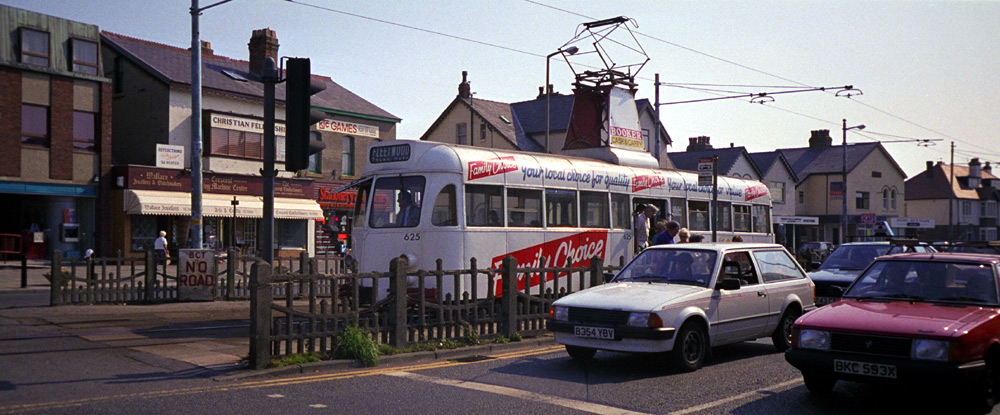
Brush Railcoach 625 at Cleveleys tramstop. In those days the trams followed the same traffic signals as the rest of the traffic, there were
no turning restrictions and there was just the one traffic phase per direction - so both lanes of traffic and the trams would travel at the same time.
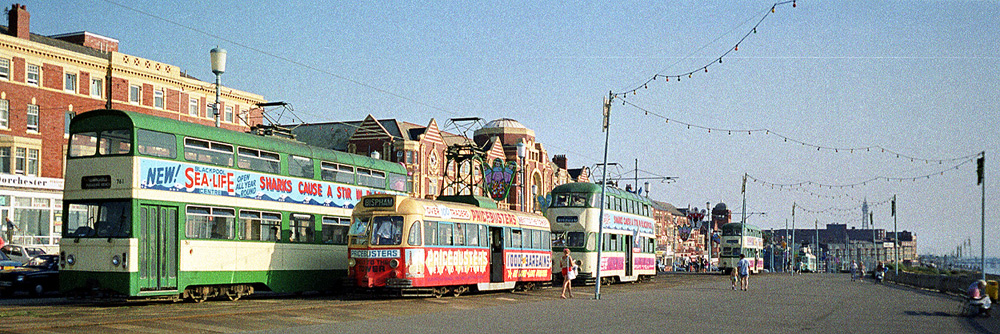
It was often said that there was almost always a tram in sight, and probably during the autumn illuminations season this was true.
I think that this location was a little to the north of the main town centre illuminations but nevertheless we can see no less than five trams!
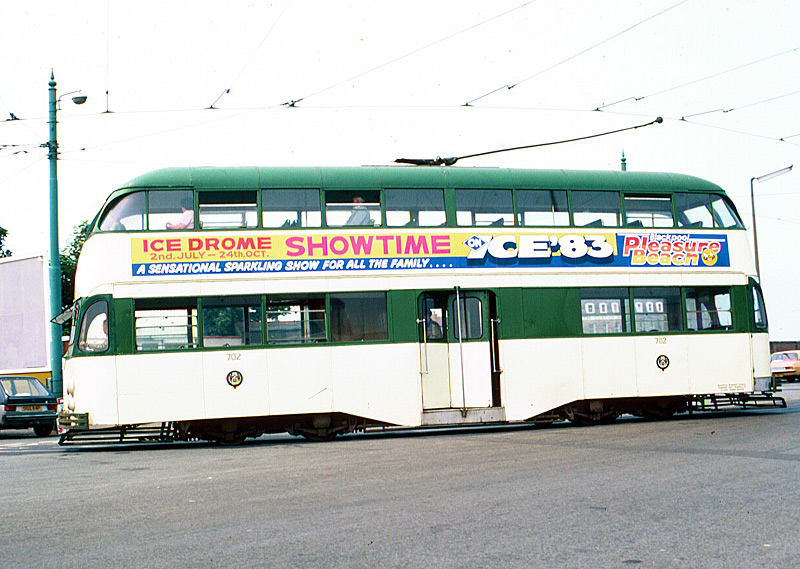

Filmed in 1983, when these trams still used trolleypoles.
using street trackage in Fleetwood on a 'tramtour' in May 2008.
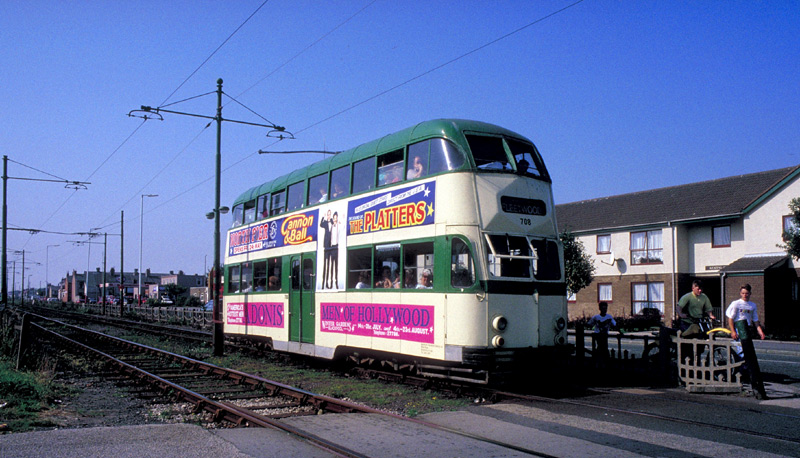
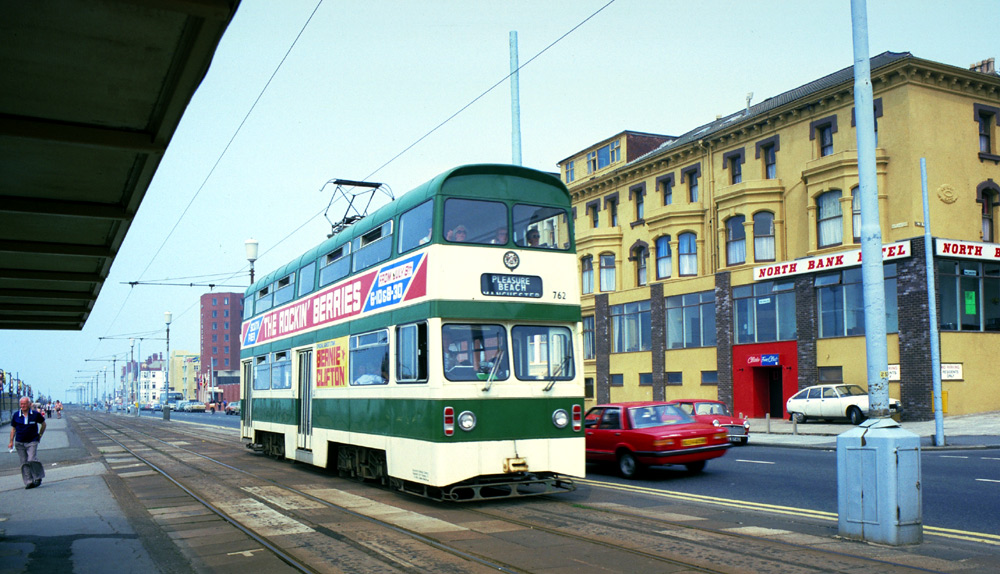
way which forms part of the inter-urban section of tramway.
Looking at the lower legs of the trousers of the man walking
along the promenade suggests that the weather is very windy.
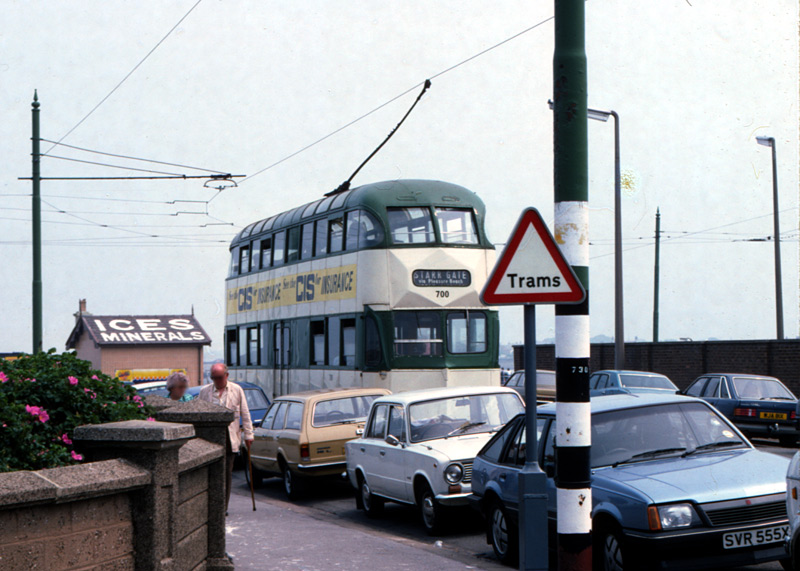
Filmed in 1983 - the road sign predates the light rail revival here in the UK.


in normal passenger service.
(named: Princess Alice) on a terminus / reversing loop.
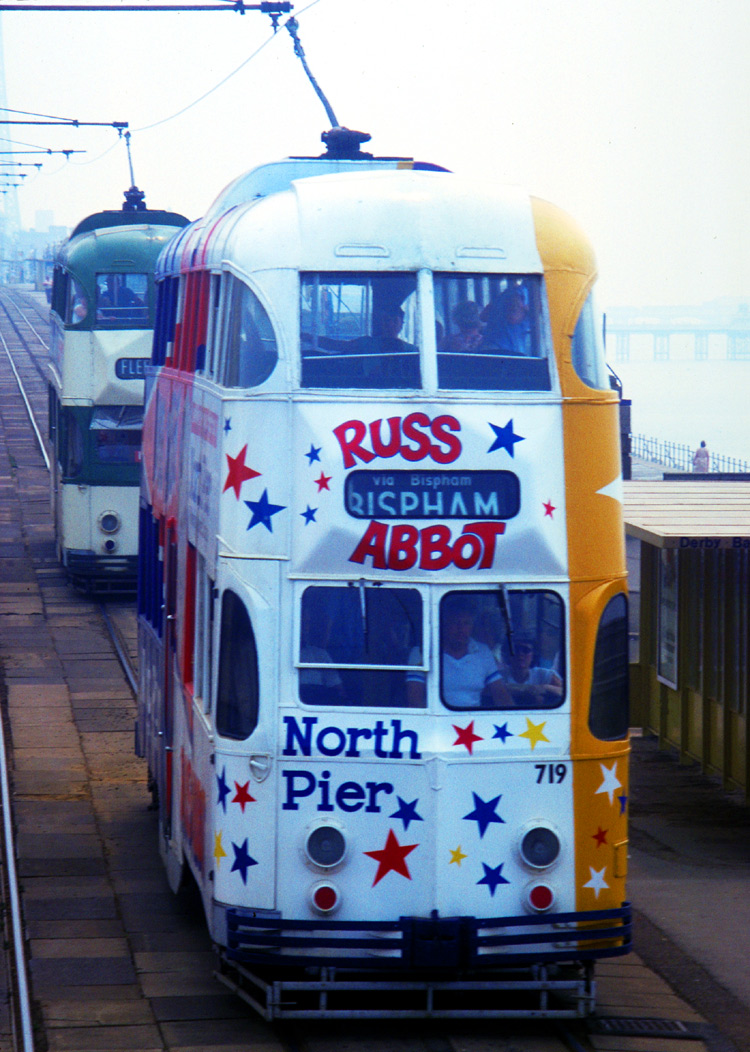
Balloon tramcar No.719 in a special advertising
livery and an unidentified Balloon in green and
cream fleet livery, as seen from the top deck
of a tram travelling in the opposite direction.
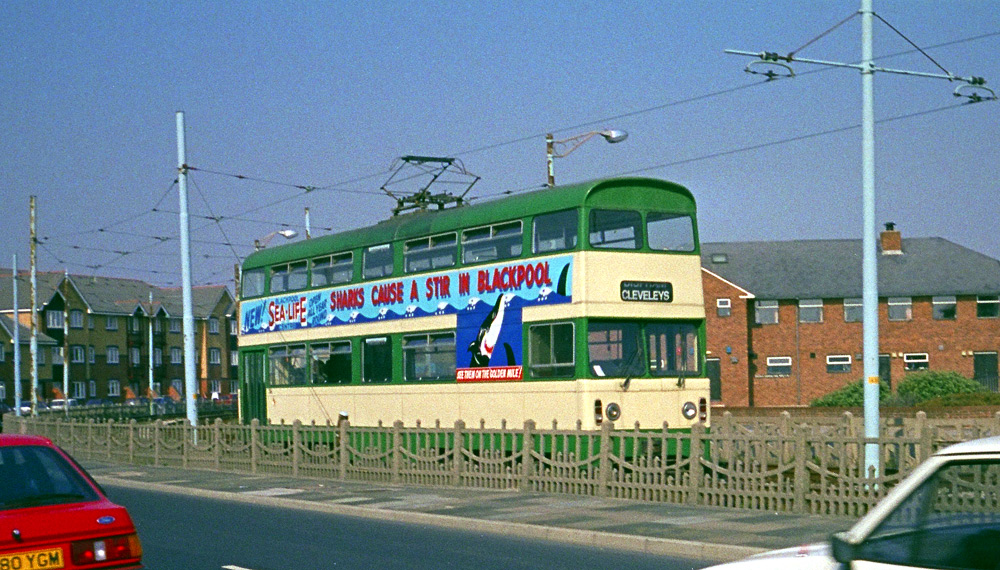
Double decker No.761 approaches Orion Curve in the Cleveleys area.
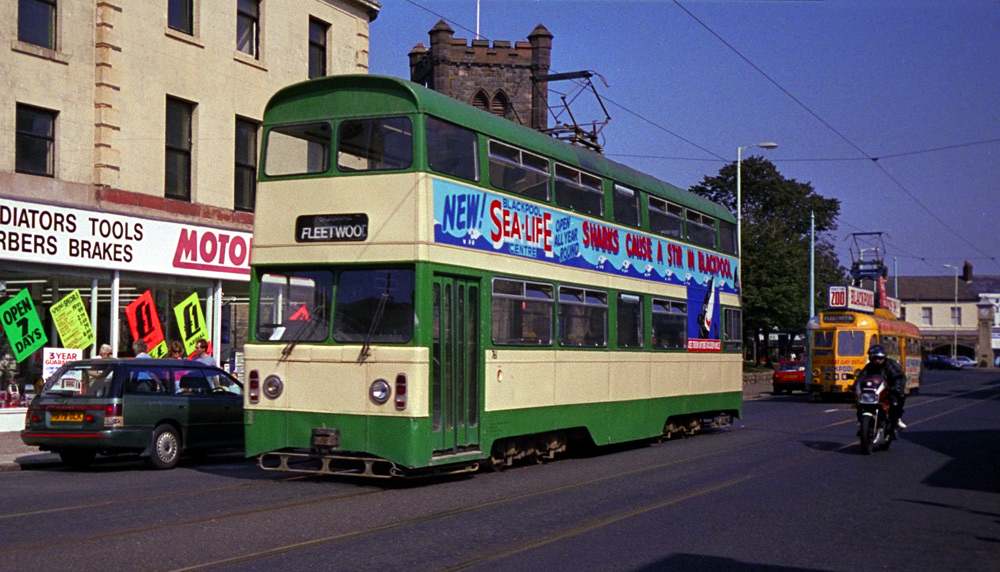
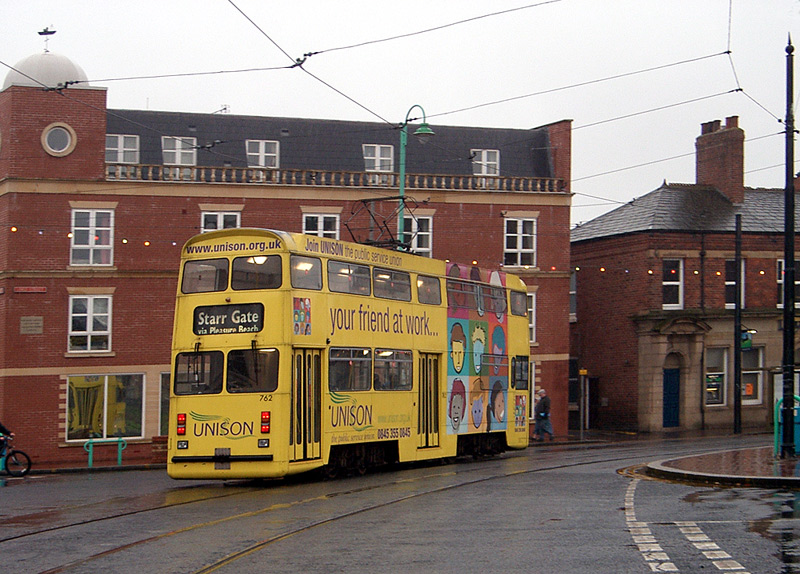
Double decker No.761 and an unidentified English Electric Railcoach
travelling in street tramway mode in Fleetwood town centre.
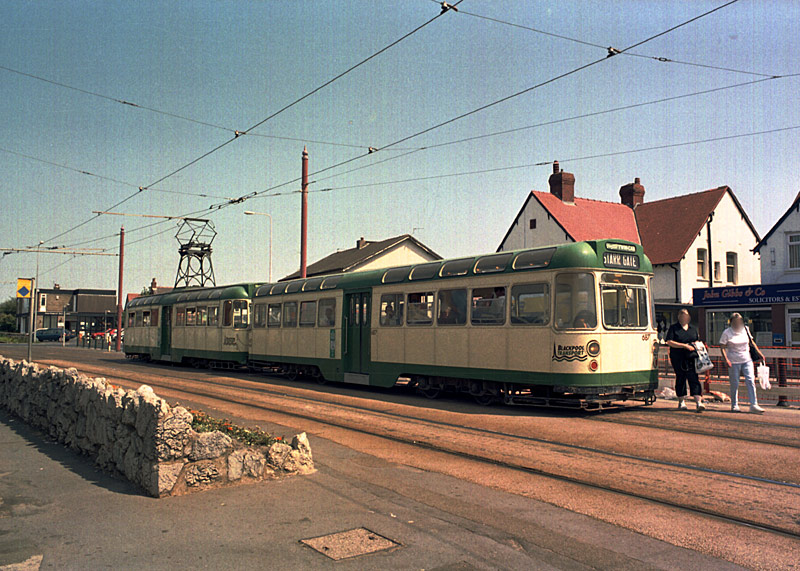

present-era multi-articulated tramcars that are now used in several British towns and cities - including Blackpool.
This view shows one of the twin-car sets (motor + un-powered trailer) in an older cream and green livery and the inside of one of the tramcars.

This image shows a blue livery twin-car set using street trackage in Fleetwood.
Other twin-car sets wore bright orange or green based liveries.
as filmed over many visits in the era before
the system was rebuilt for the Flexity trams.
Until the tramway was rebuilt for the Flexity 2 trams there remained a few tramstops in Fleetwood where the tram stopped in the middle of the road and traffic had to stop so that passengers could walk between the footpath and the tram.
Whilst it was (still is) a criminal offence for a road vehicle (including cyclists!) to pass between a stationary tram and the footpath on the inside, passing on the other side is permitted - subject to there not being any approaching road traffic.
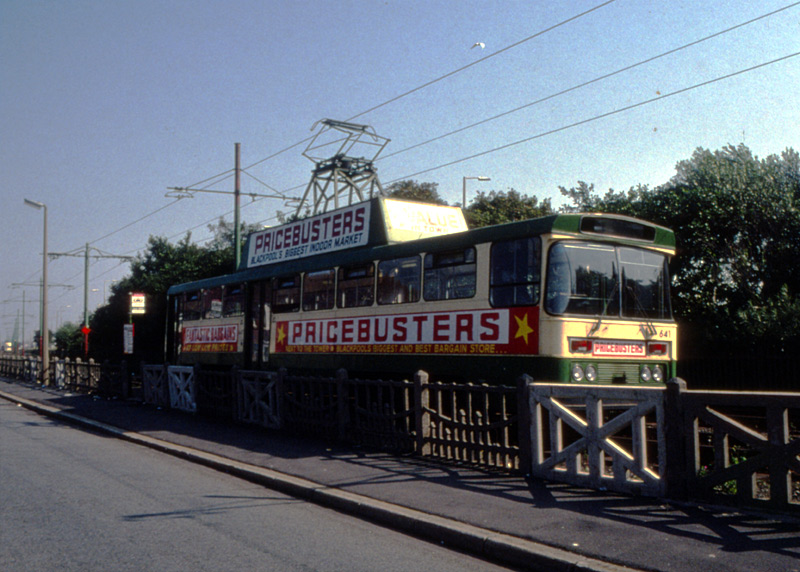
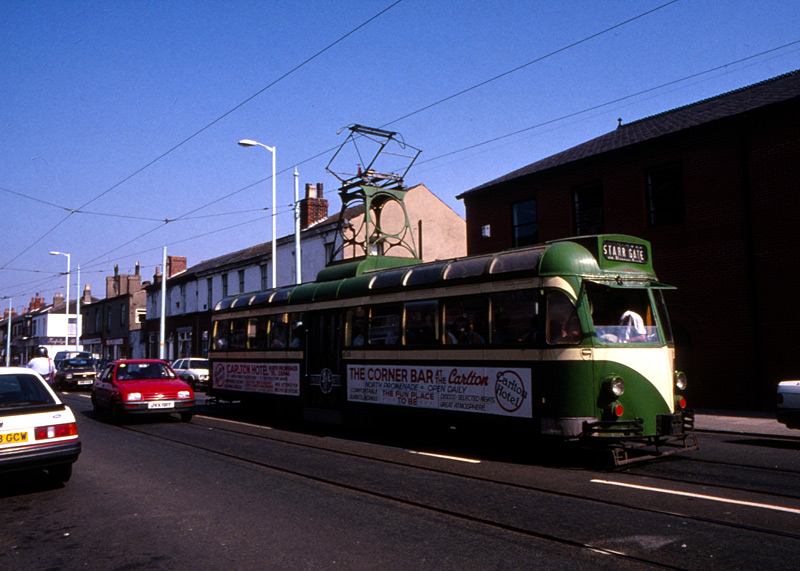
This view also highlights the concrete fencing which has become a distinctive feature of the segregated light rail portions of the Blackpool tramway.
Fans of Ford Sierra cars may also like this photograph.
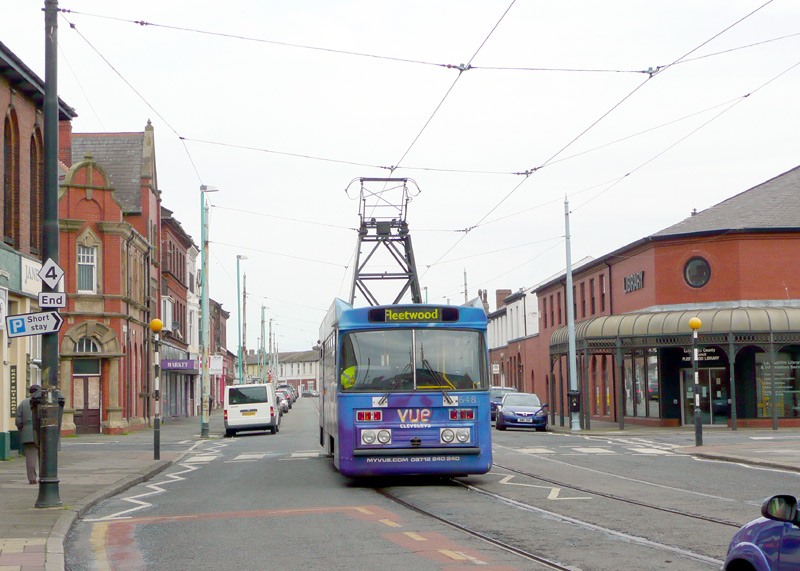
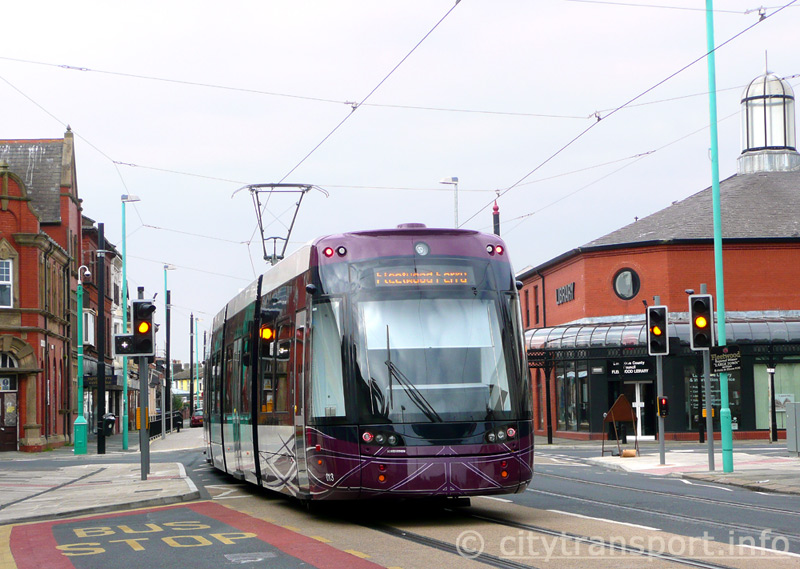
It is a shame that the modernisation process saw the loss of the zebra crossing (replaced with a traffic signalled solution).
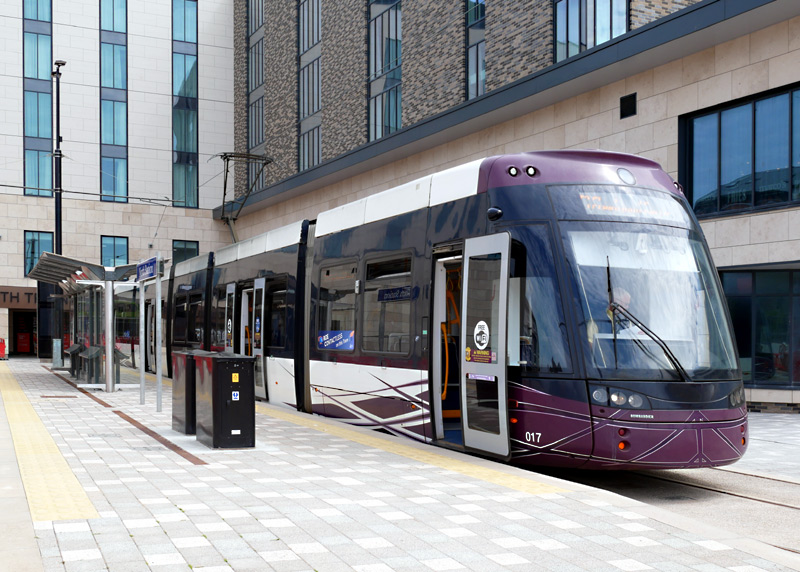
With the introduction of the new Flexity 2 trams only some of the older Blackpool trams were retained. These tend to be used on leisure-themed services, during the summer and autumnal Blackpool illuminations.
Because the older trams are less wide than the Flexity 2 trams they are only allowed to call at specially identified heritage tram stops. The reason for this is that the light-rail tram stops have platforms and there is a large gap between the platform and the tram. The only exception to this rule applies to a few Balloon trams that have been widened at the entrance doors - so that they fill the gap between the platform and the tram.
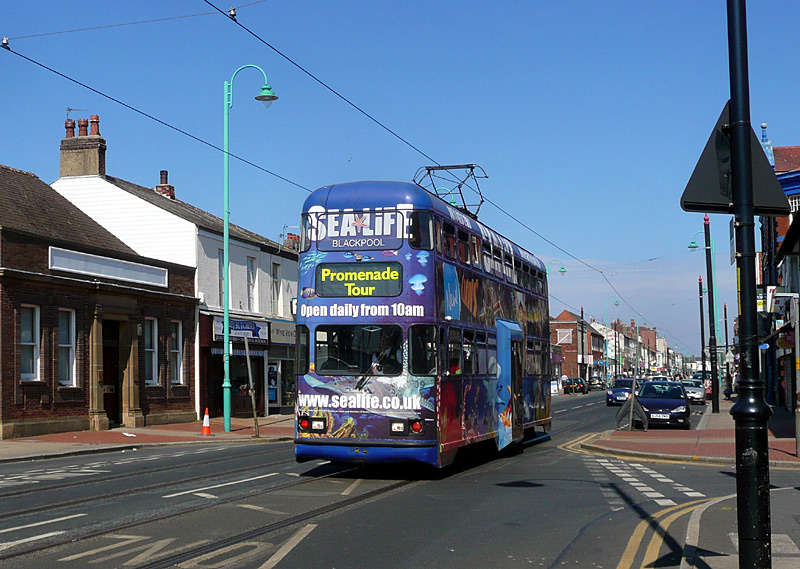
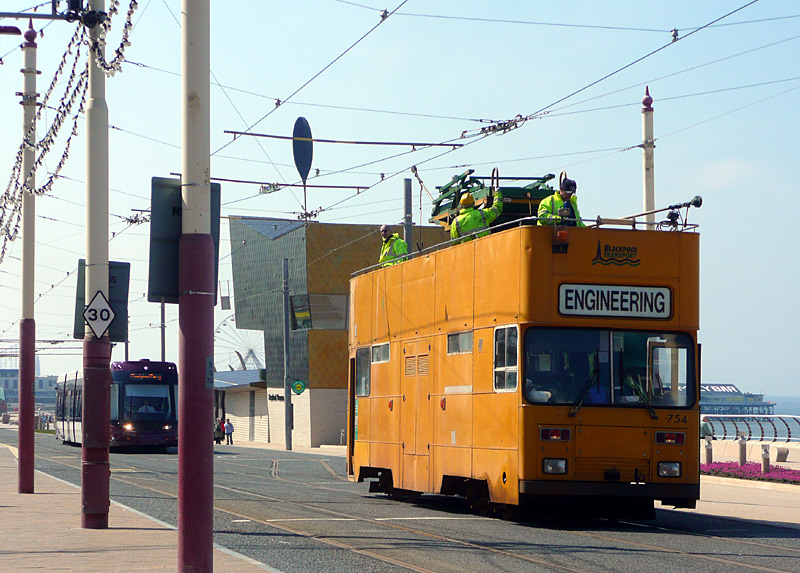
These form a 'B' fleet of older trams which (at busy times) can supplement the service provided by the Flexity trams. Only Flexity 2 and B fleet trams are allowed to use the new 'light rail' style tram stops.
shortly after the tramway reopened after the
rebuilding for the Flexity 2 trams.
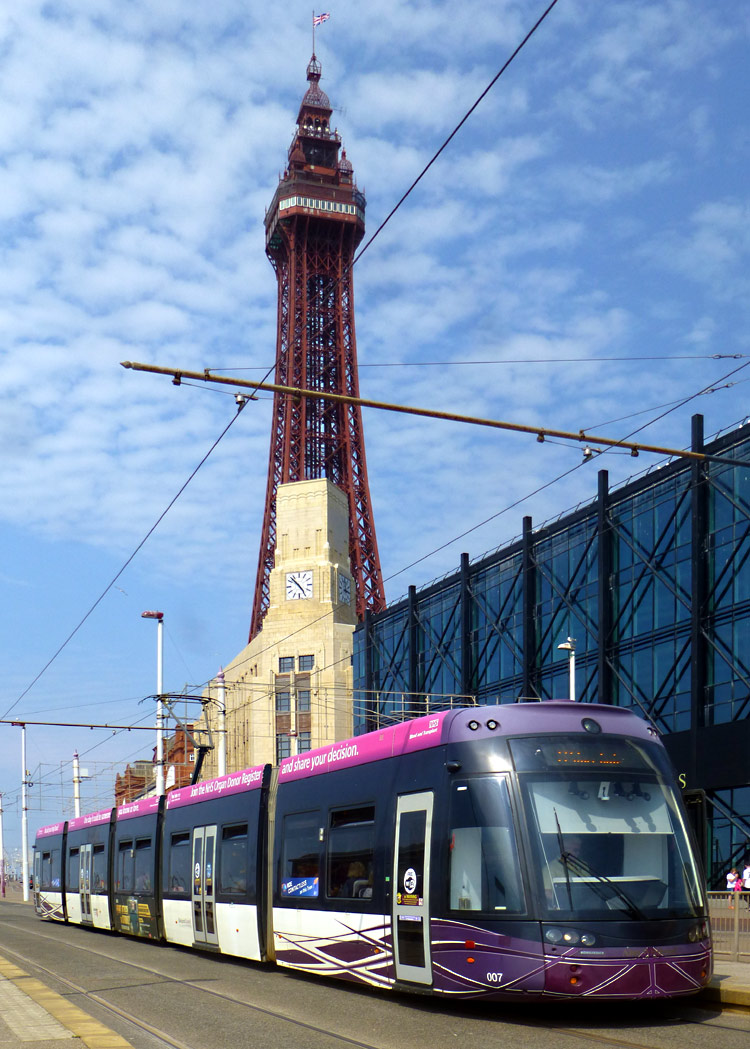
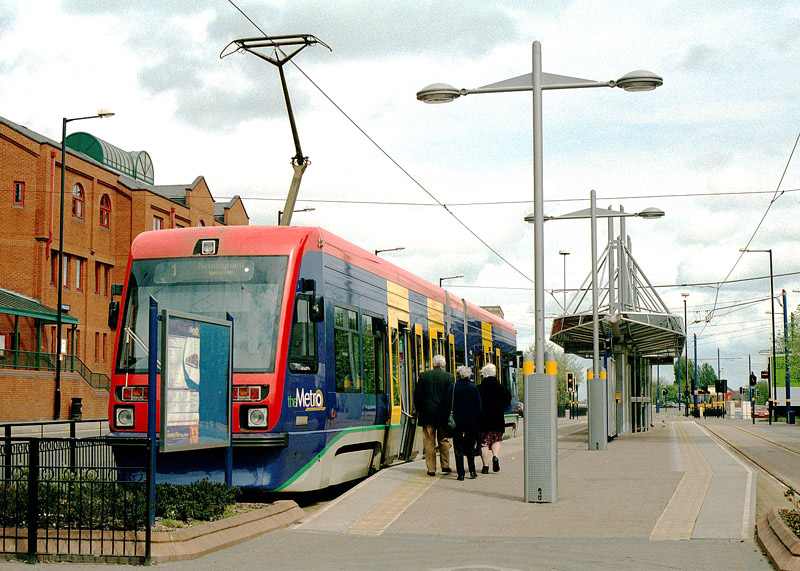

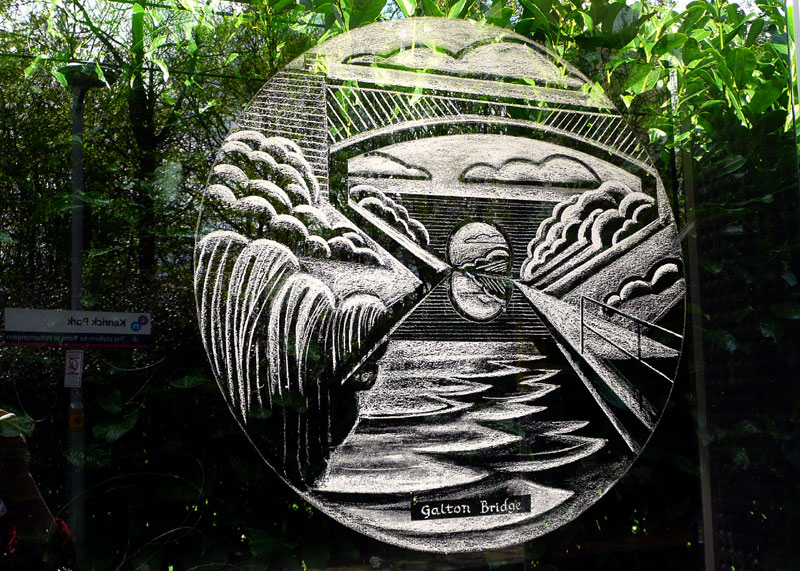

attractive glass etchings portraying local scenes.
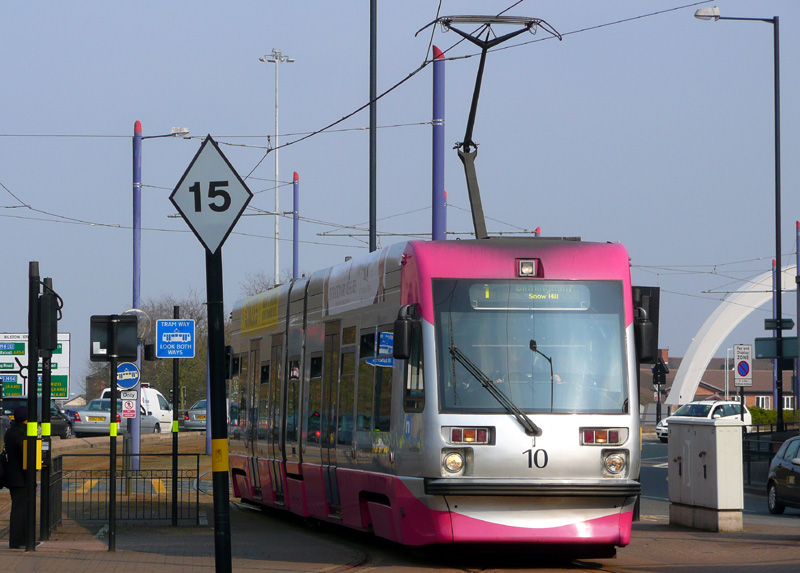
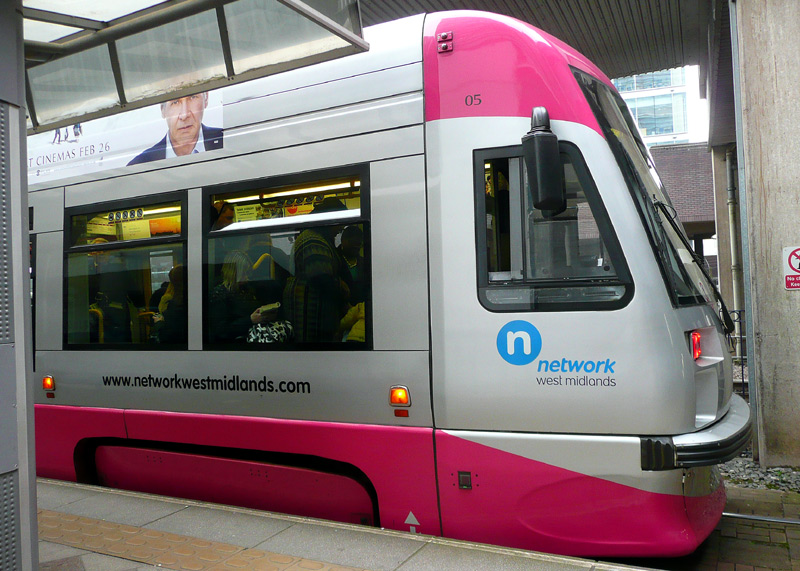
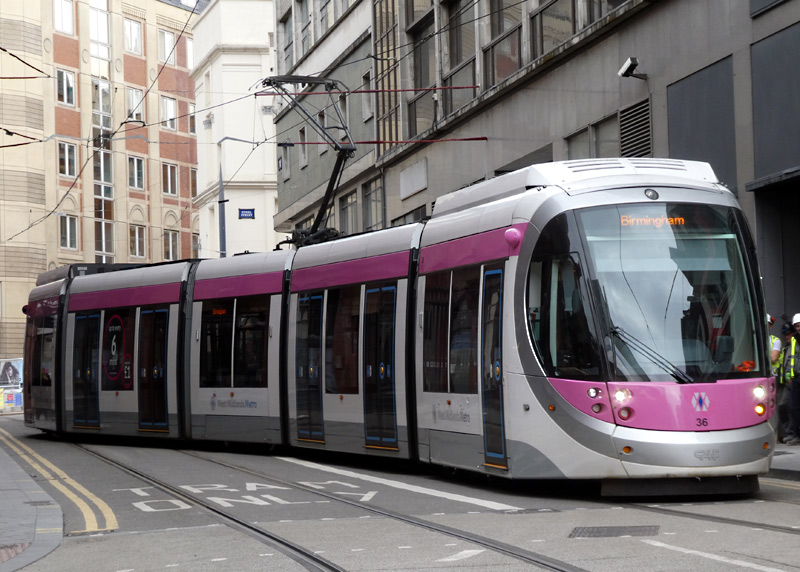
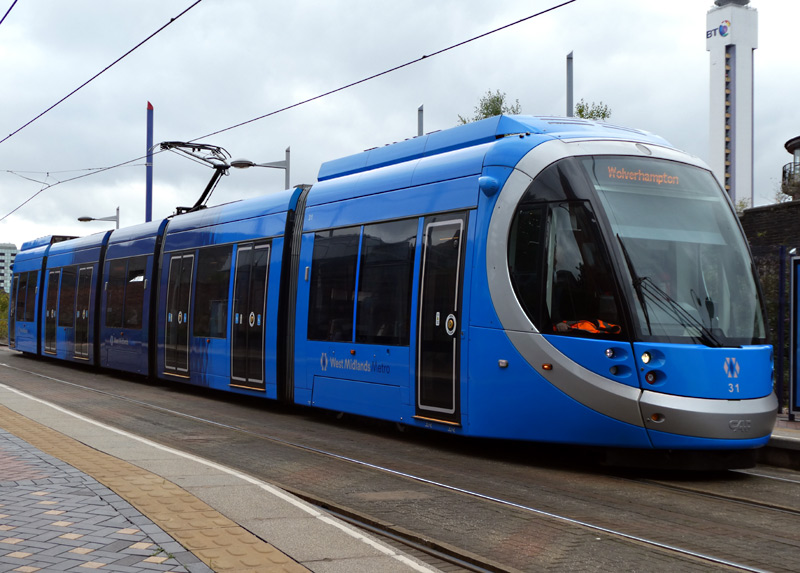


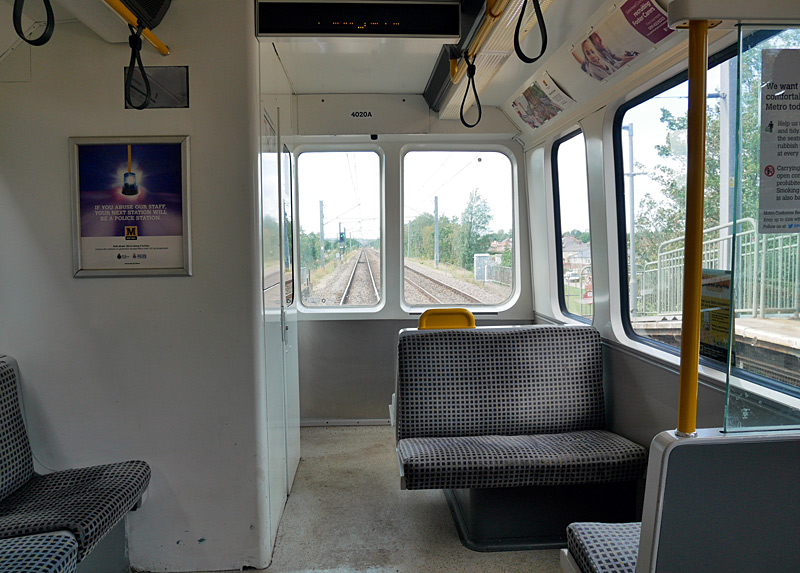
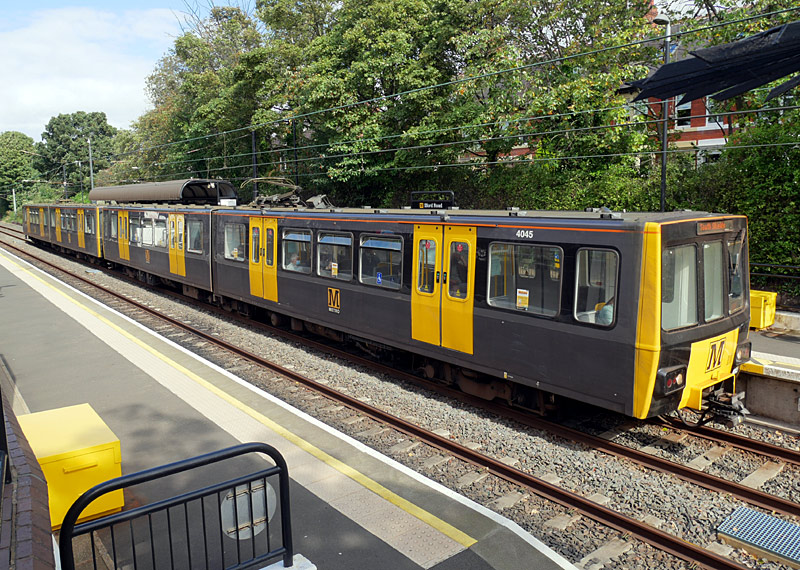
was the ability to enjoy a forward-looking view of the route ahead.
of the Stadler trains. Seen at Ilford Road station.


passing the North Euston hotel in Fleetwood, Lancashire.
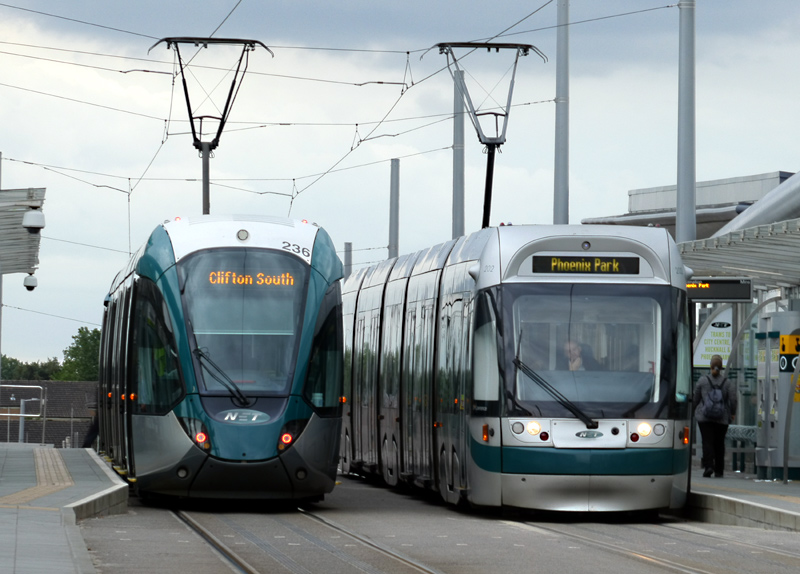
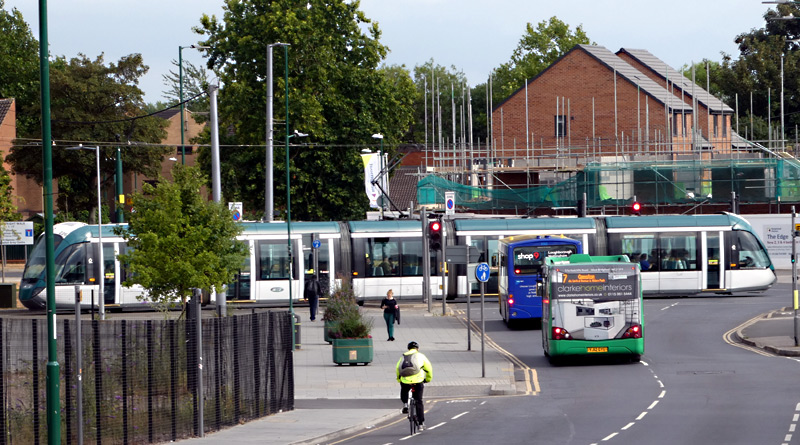
Citadis 302 on the left and Incentro on the right.
with the Incentro behind the Citadis.
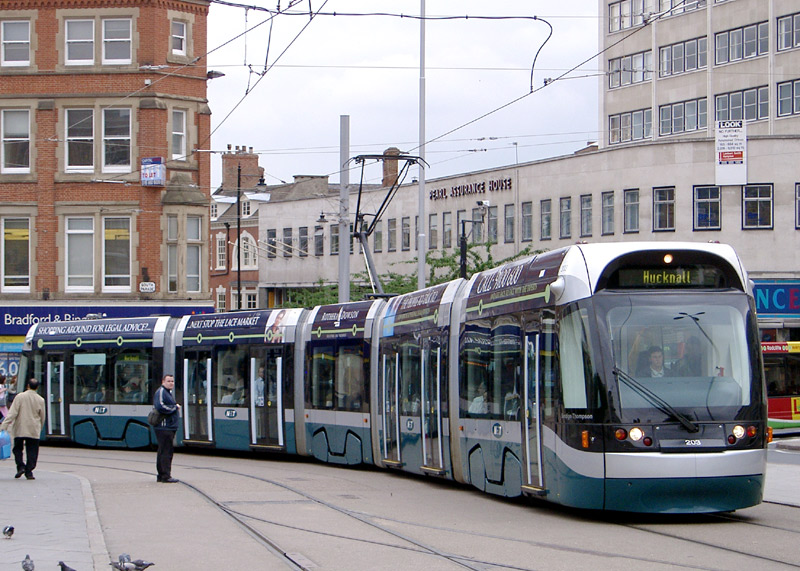


Turbostar train on the section of line where the two share formation.
are only used when mainline trains traverse this crossing.

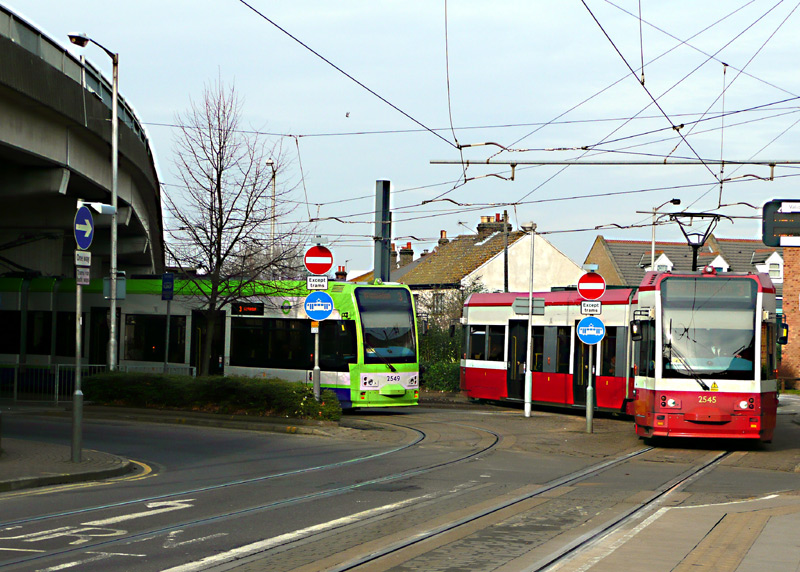
original historic livery outside East Croydon mainline railway station.
and newer liveries during the changeover period.
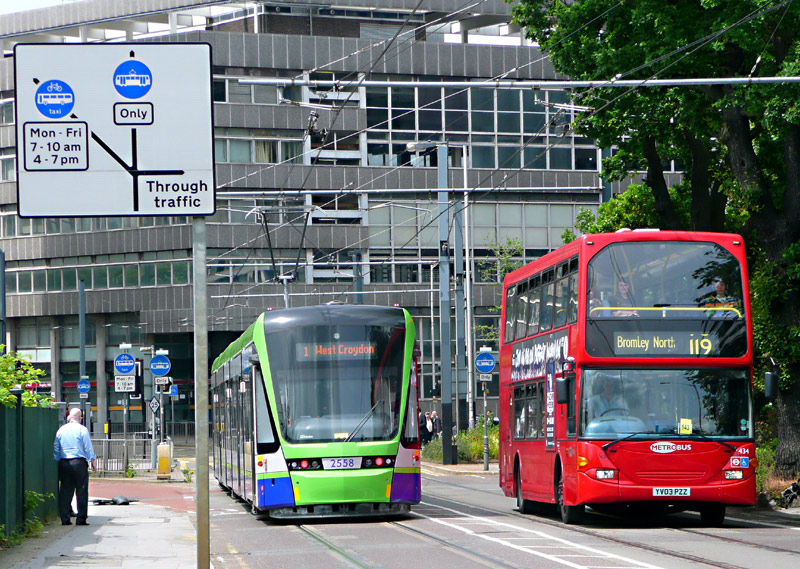
and diesel bus on Addiscoombe Road.
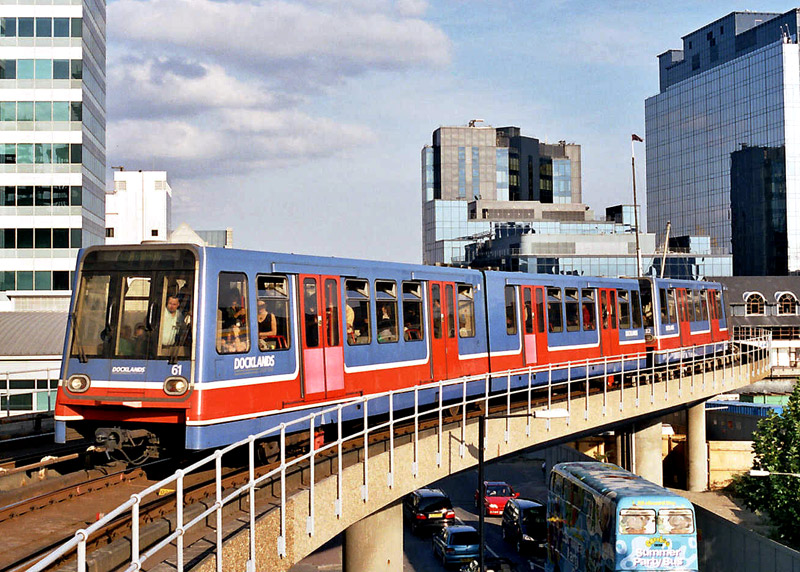
(B92 No.61 and B90 No.32) as seen from the original South Quay station.
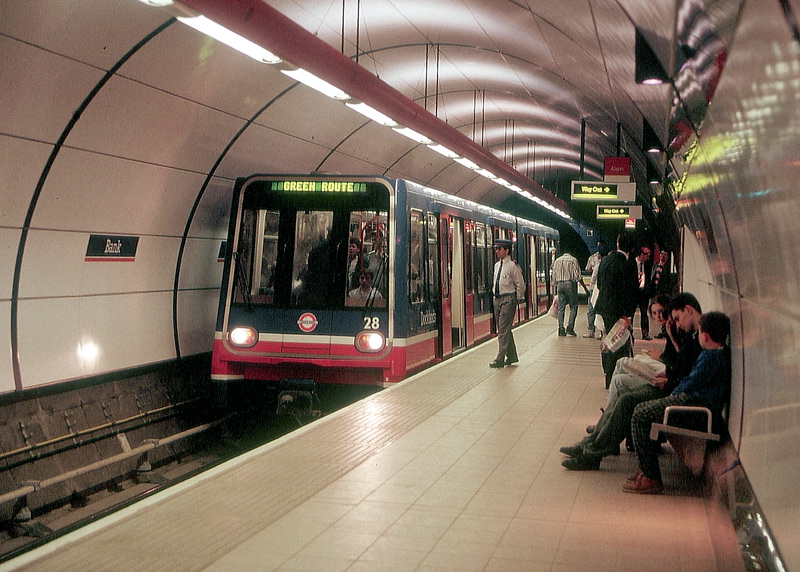

approaches the original elevated Island Gardens station
with just the Canary Wharf Tower in the background.
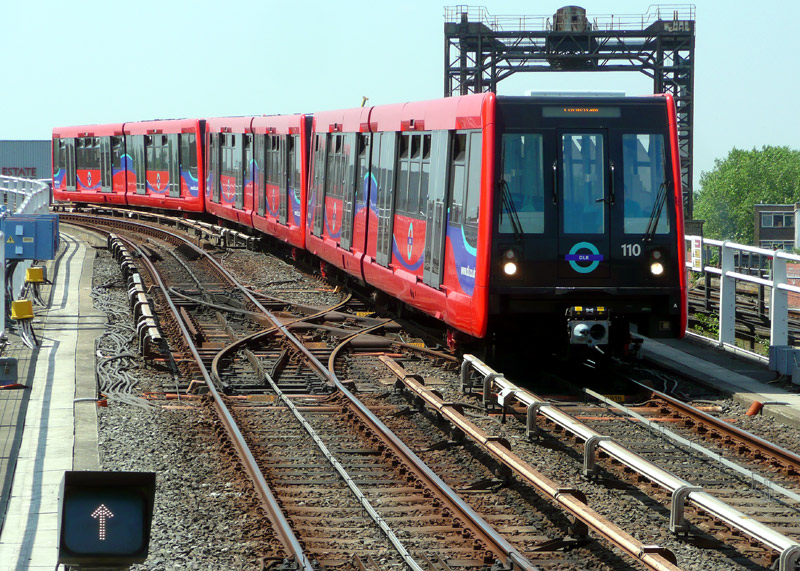
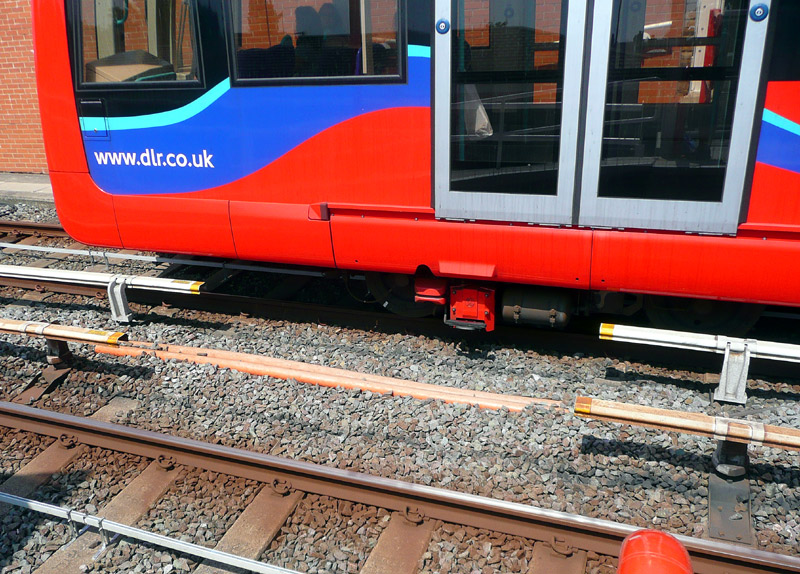
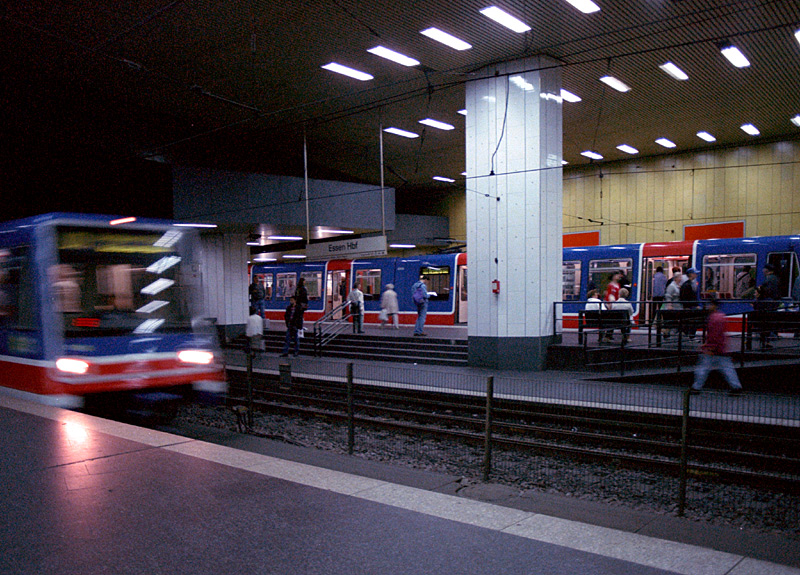
(main railway station) in Essen, Germany.
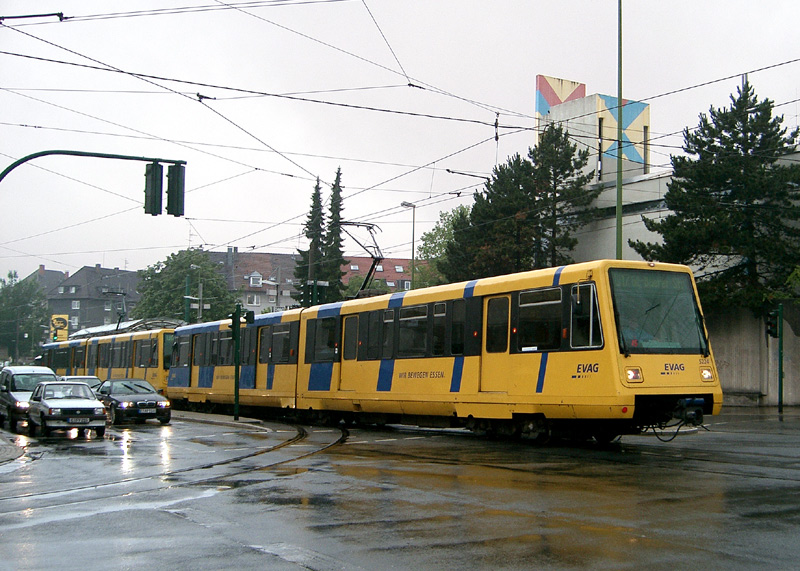
the front in street tram mode on light rail route U17 in Essen, Germany.
In the 1990's the DLR P86 and P89 trains were sold to EVAG in Essen, Germany as alternatives to significant rebuilding to make them fully compatible with the growing DLR system. In Essen they have been converted to operate from overhead wires, fitted with drivers cabs (for traditional-style human driving) and most of them have even been made fully street compatible, although they can only call at stops with high platforms. The vehicles which are street compatible have also been repainted in Essen's yellow and blue livery.


London Docklands Light Railway P86 No.11 was fitted with a
pantograph and painted in the livery of the local transport authority.
Image: Photograph issued by the schemes promoters.
and mainline trains each have exclusive use of one bi-directional track.
Seen here are Class 150 133 and T68 1004


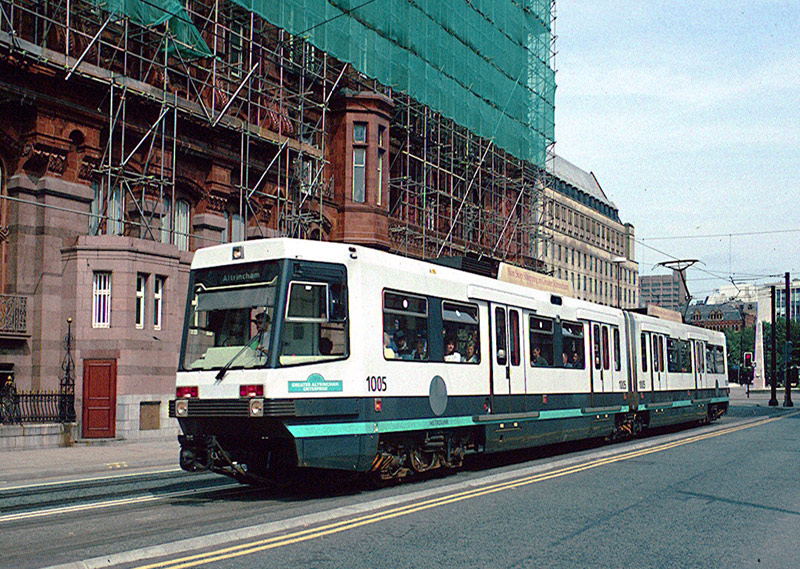

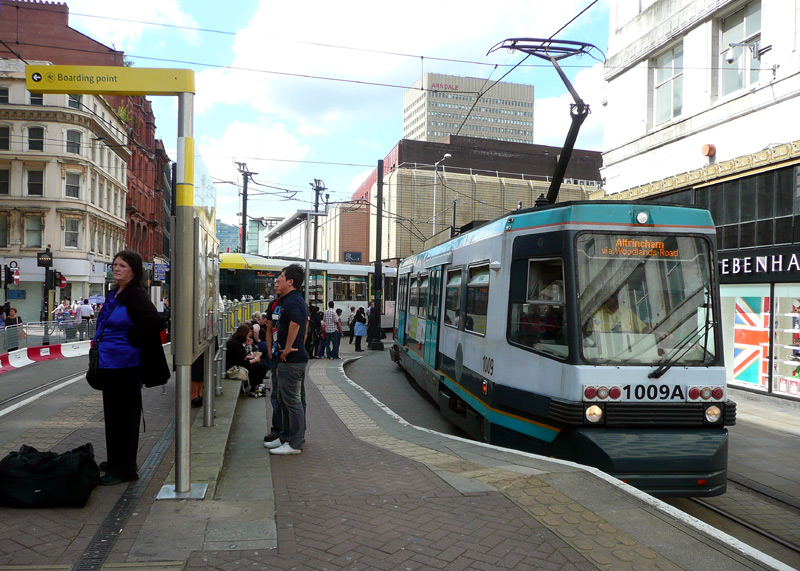
By a quirk of fate both images show the same T68 tram - No. 1015.
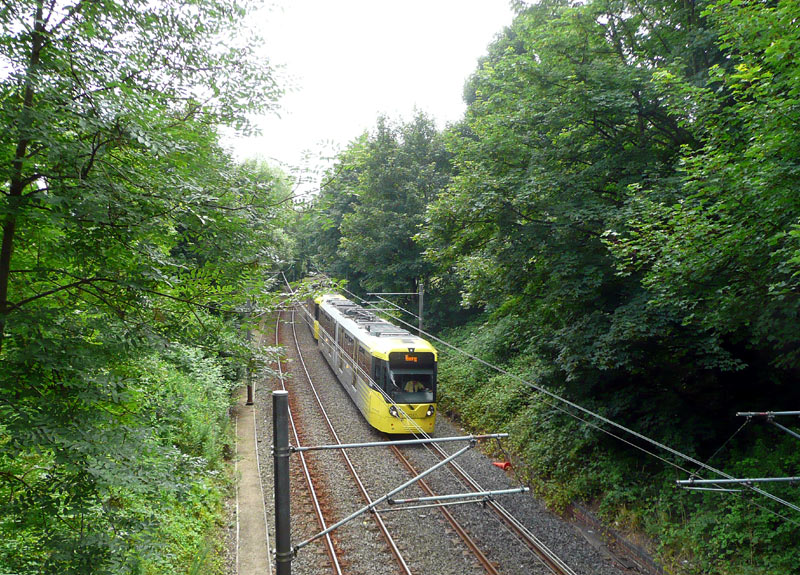
This is a double-unit working with No. 3037 leading.
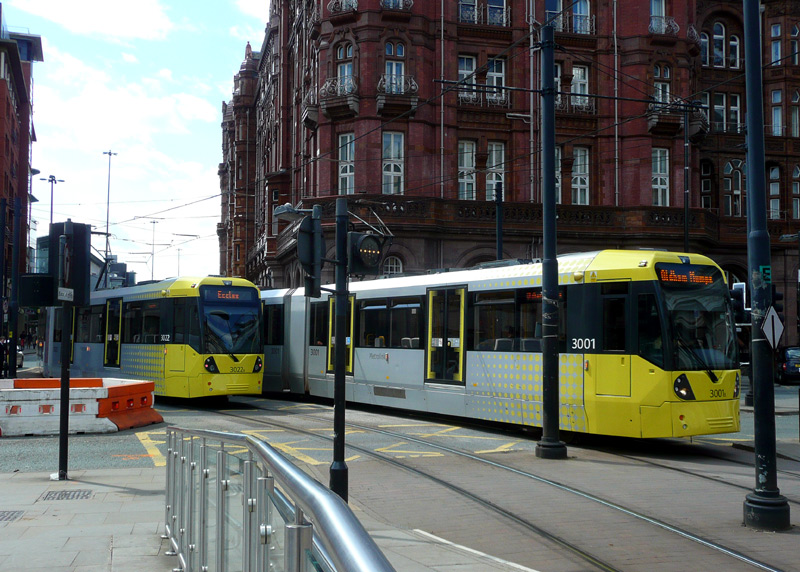
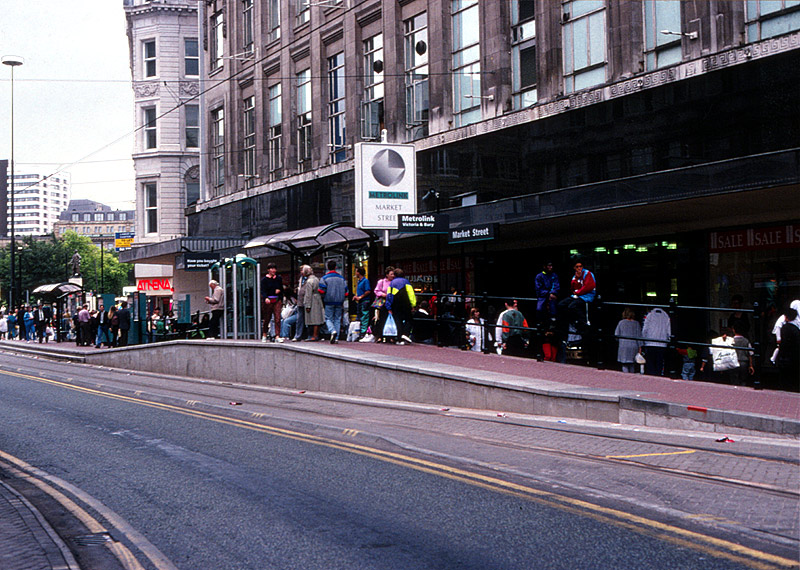
was rebuilt for the Second City Crossing. Nos. 3032 left and 3001 right.
which were designed to provide level access at some doorways without seeming to take over the street scene. However they were not universally popular and have been replaced with full-length high platforms.
Heritage, Leisure, Special Operations
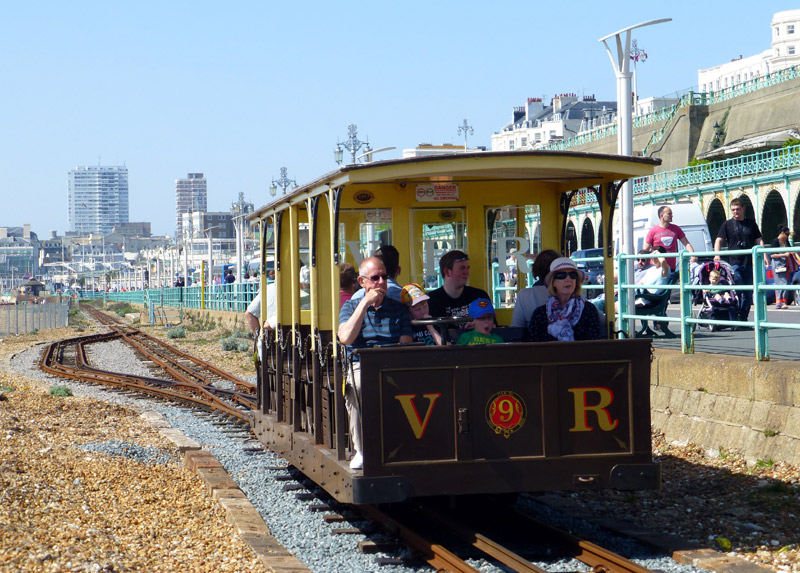
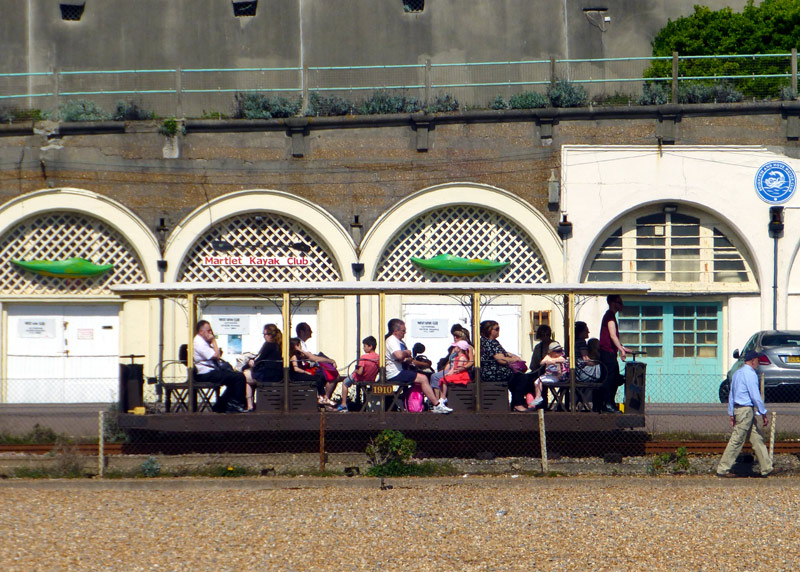
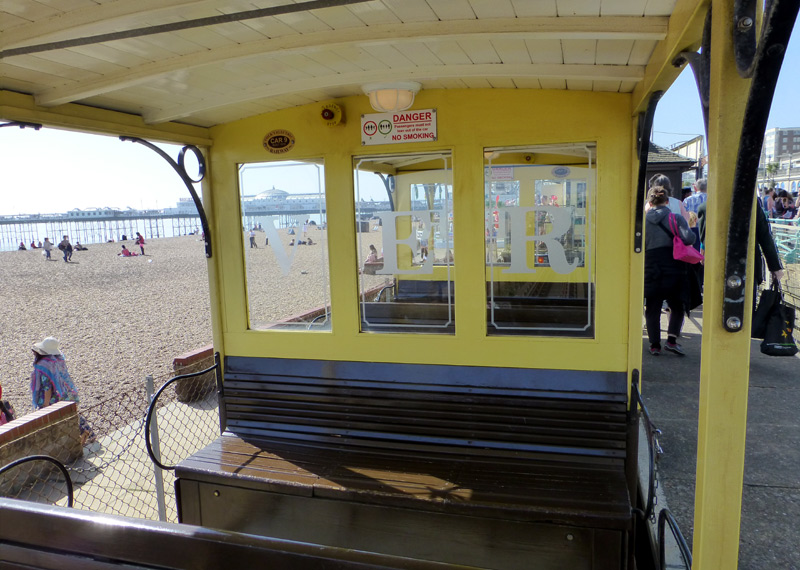
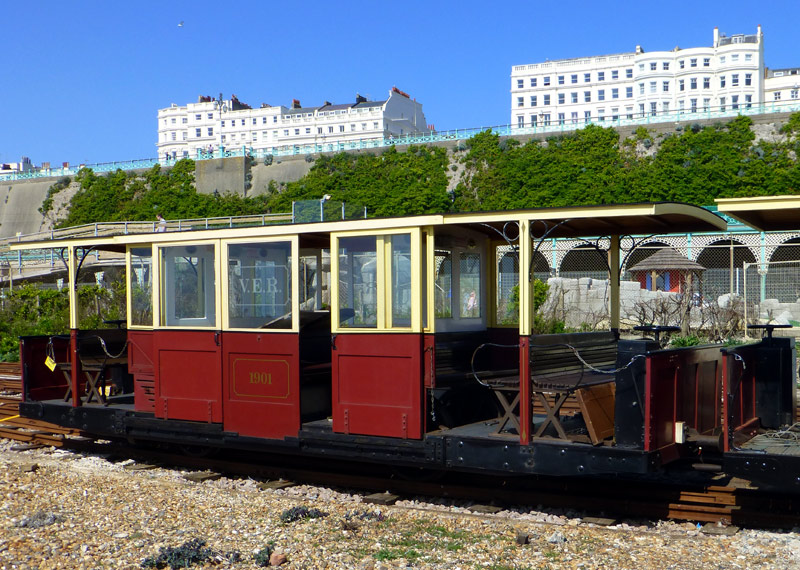

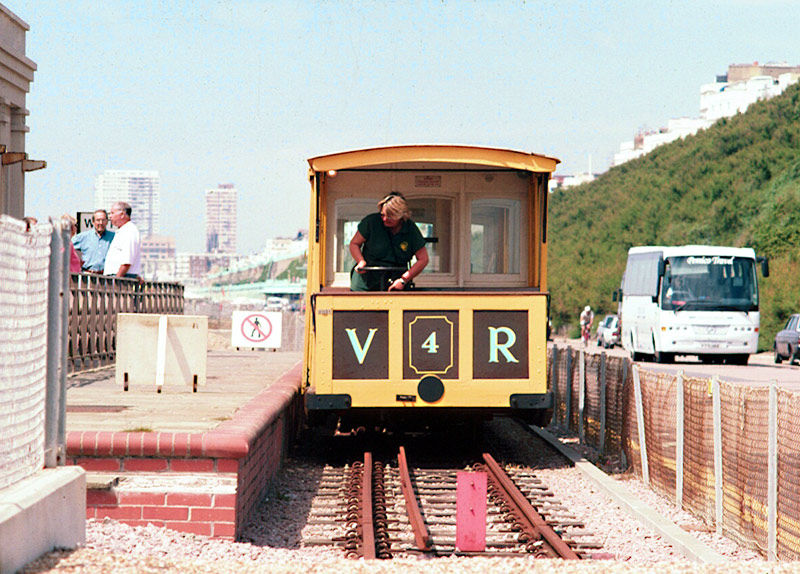
this shows one of the pedestrian crossing points.
end of the line. Also seen is the third rail power supply rail.
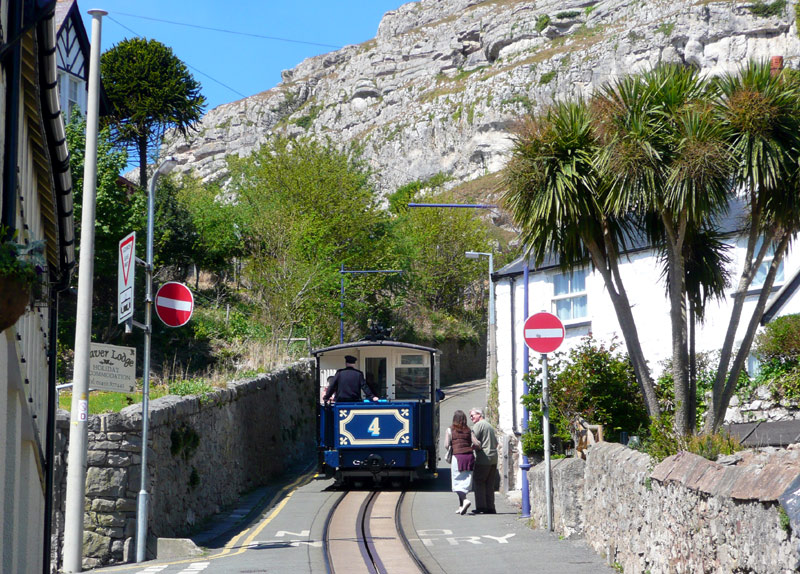
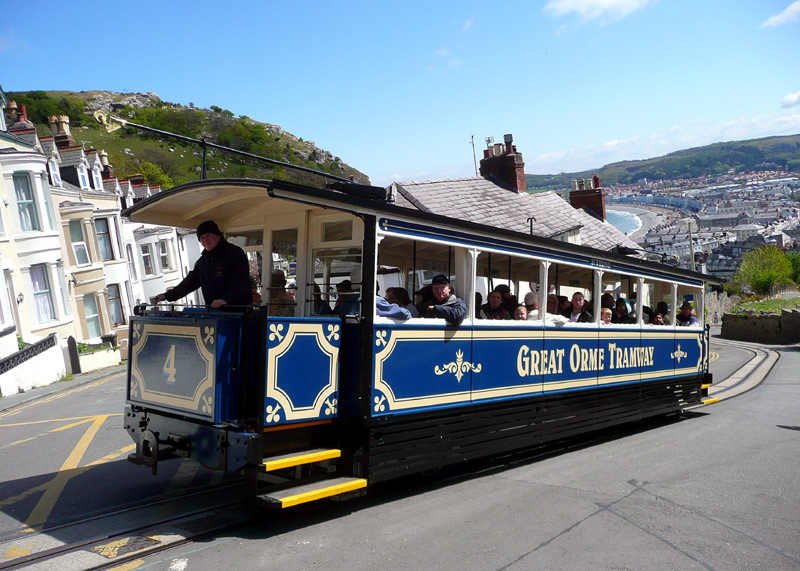
Although usually thought of as being a street tramway it is actually a self balancing funicular railway.
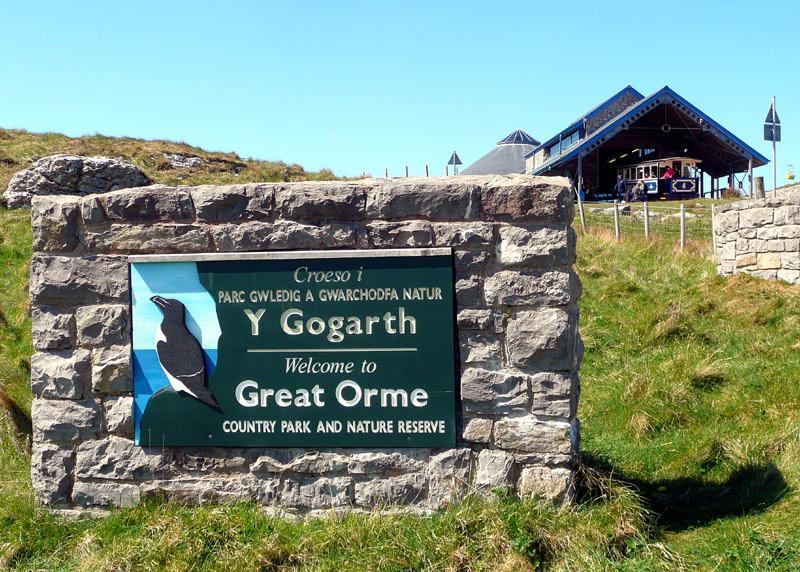
complete their journeys the passengers must alight
and walk a very short distance to the upper section.
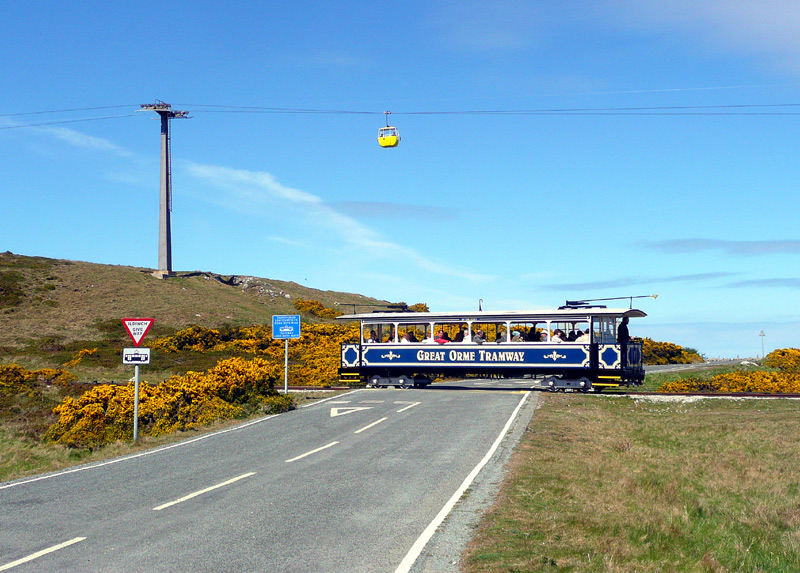
crossing. Also seen here is a gondola from the Great Orme Cable car.
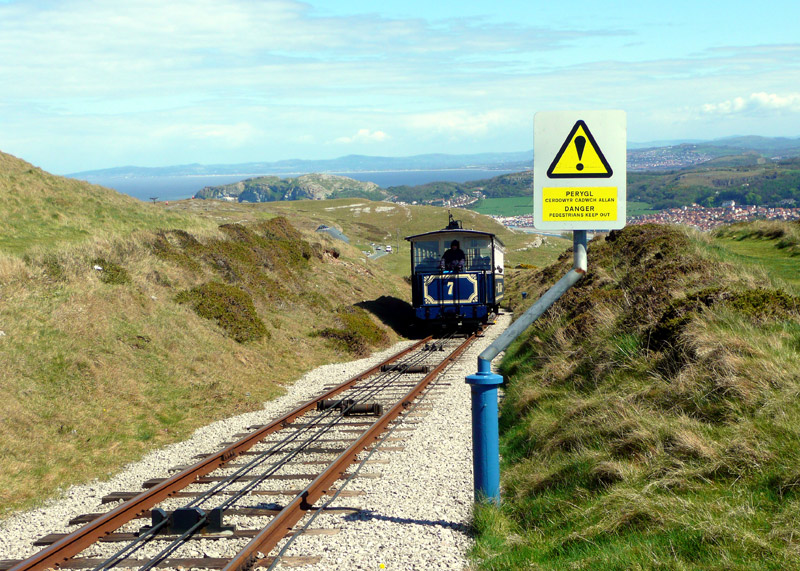
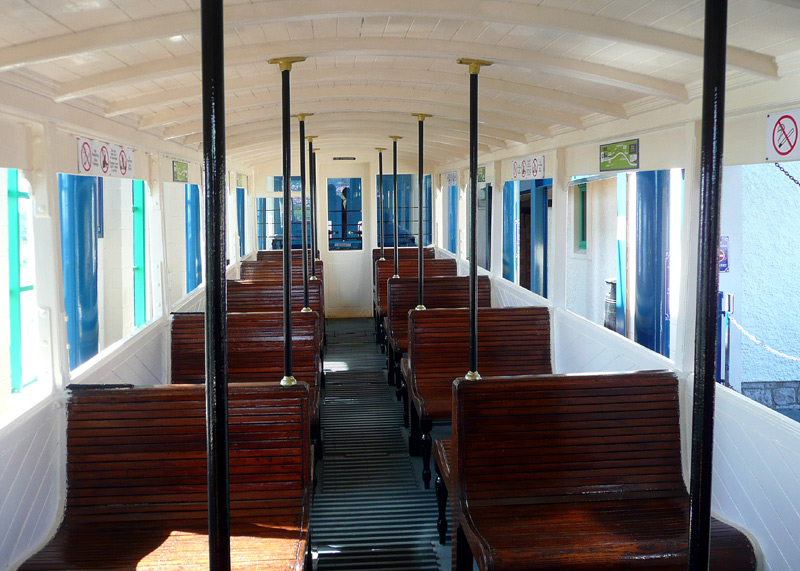
A few more Great Orme images (from a visit on a different day) can be found here:
http://citytransport.info/Gt-Orme.htm 

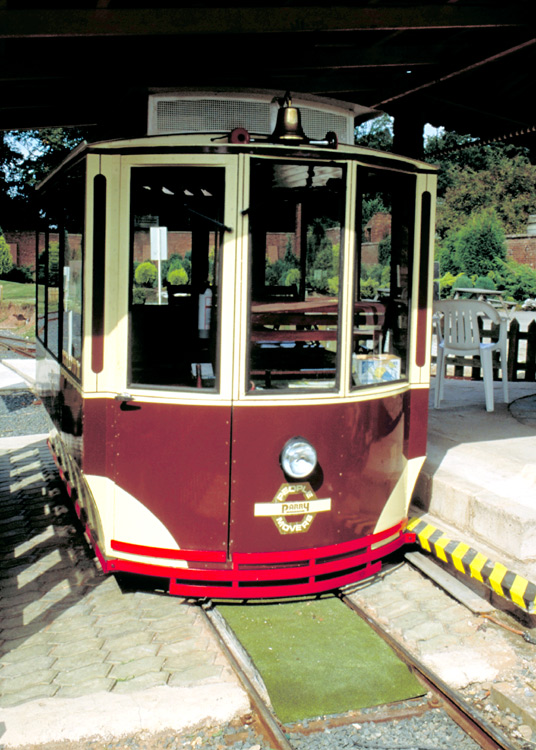
demonstration as a street tram in Barking, Essex in the mid 1990's.
demonstration track. The power supply rail
is under the black and yellow diagonal stripe coloured cover.
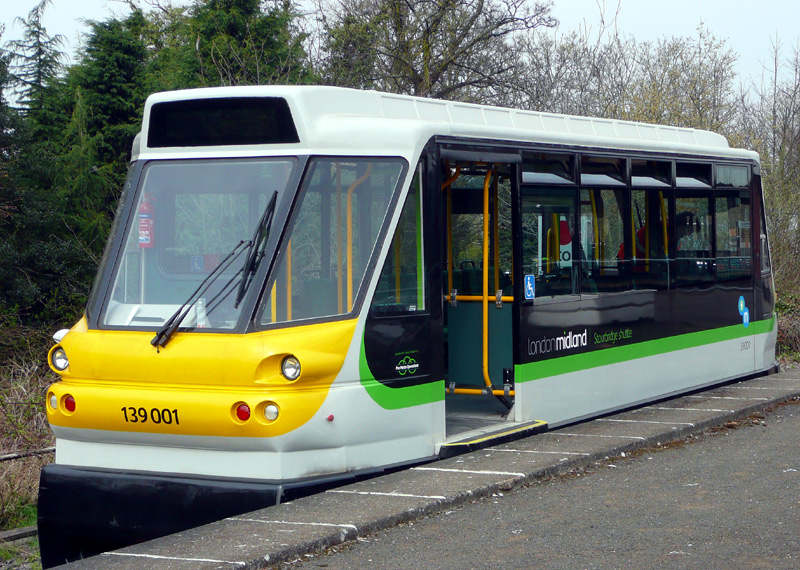
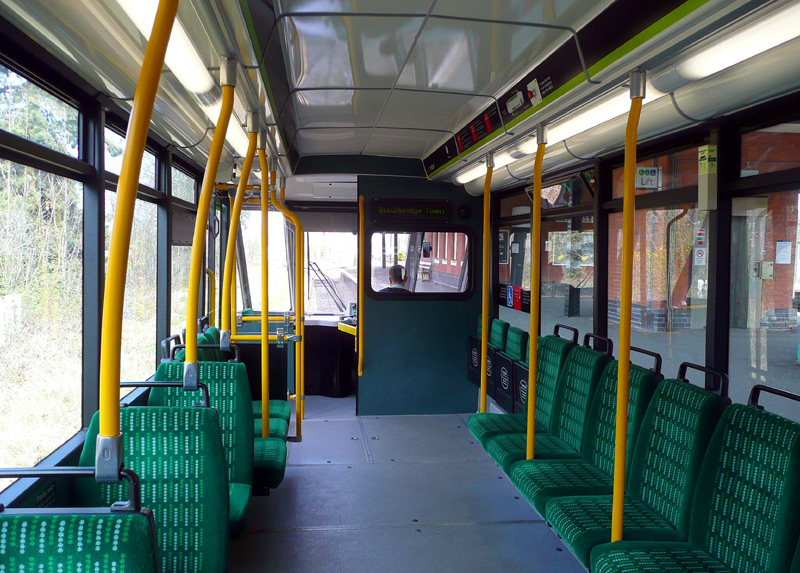
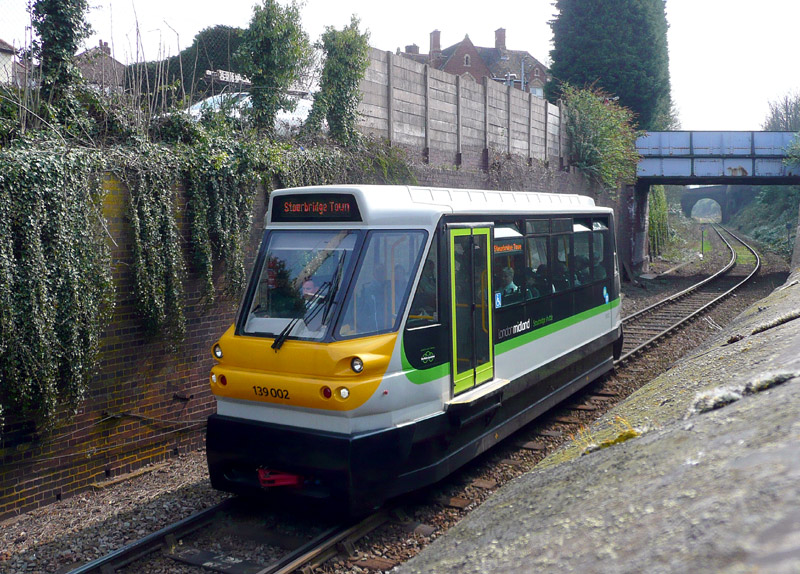
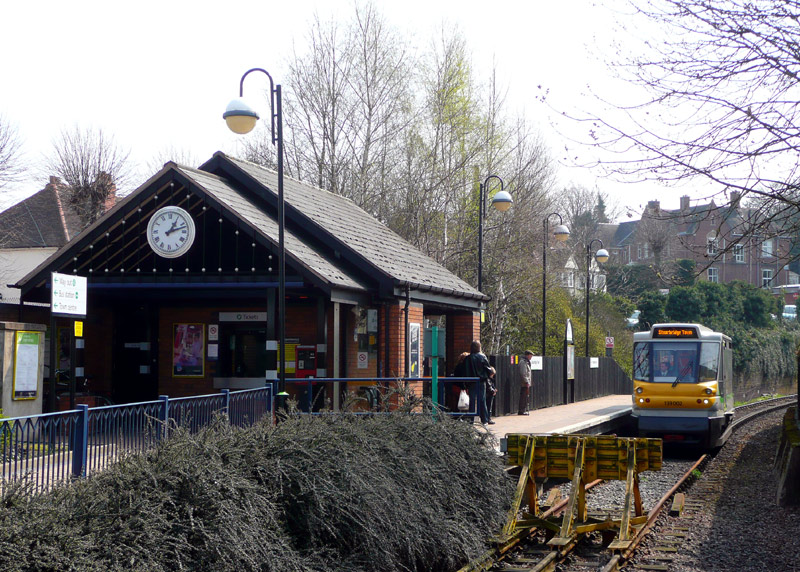
So far the only full commercial exploitation of the PPM system has been on a short mainline branchline in Stourbridge, where despite being a lower capacity vehicule than the single carriage diesel railcar it replaced, by being cheaper to operate it is financially viable to run a more frequent service and has managed to considerably increase passenger numbers.
The heritage Heaton Park Tramway is located in Heaton Park, Manchester. Much of the route dates from the first generation tram system which included a short section of tramway that took passengers right into the park.
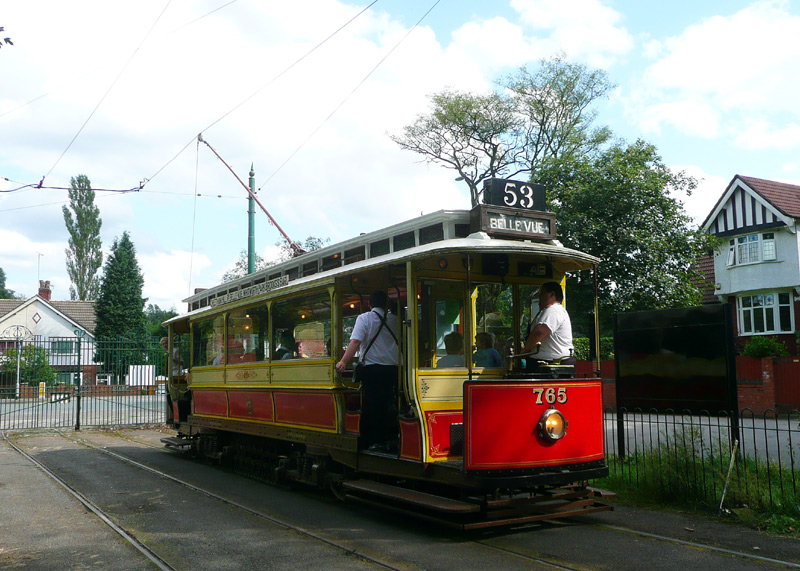

shade the number of people looking at this tram meant that this was the only time that it was possible to get a clear view (ie: without anyone in the way).


More Isle Of Man images can be found here: IOM.htm.
The Seaton Tramway uses smaller sized narrow gauge trams to carry passengers along a former mainline railway branch which was closed in the 1960s. Much of the route is alongside a river and passes through two nature reserves. In addition to being popular with tourists and transport enthusiasts it runs special bird watching services so that ornithologists can also enjoy their hobby.

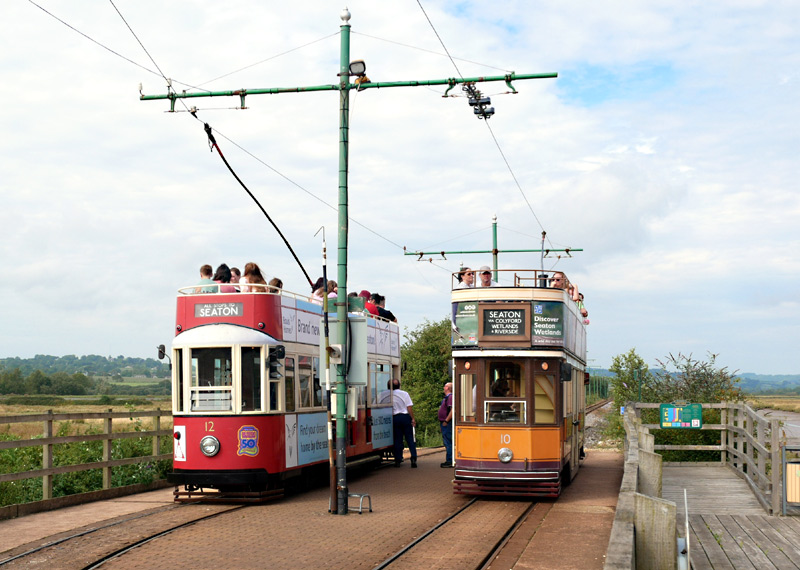
tram and Glasgow liveried No.10, which is one of three trams which were specially built by the tramway and include wheelchair spaces on the lower deck.
A page of photographs dedicated to the Seaton Tramway can be found here: Seaton-tram.htm.
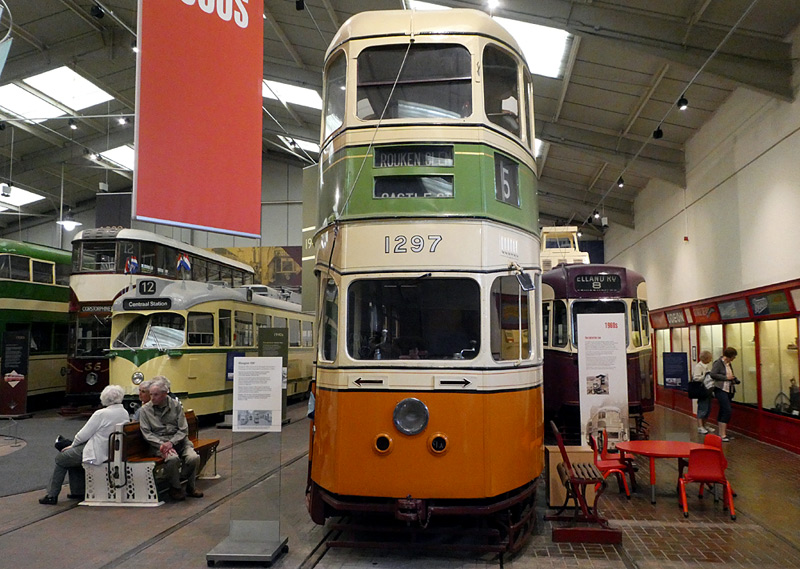
Tramway restoration and the ability to ride vintage trams from a very wide section of British towns and cities are just part of what the National Tramway Museum is about. There are also many static trams in indoor museum halls, plus other tramway-related artifacts, wall displays and more.
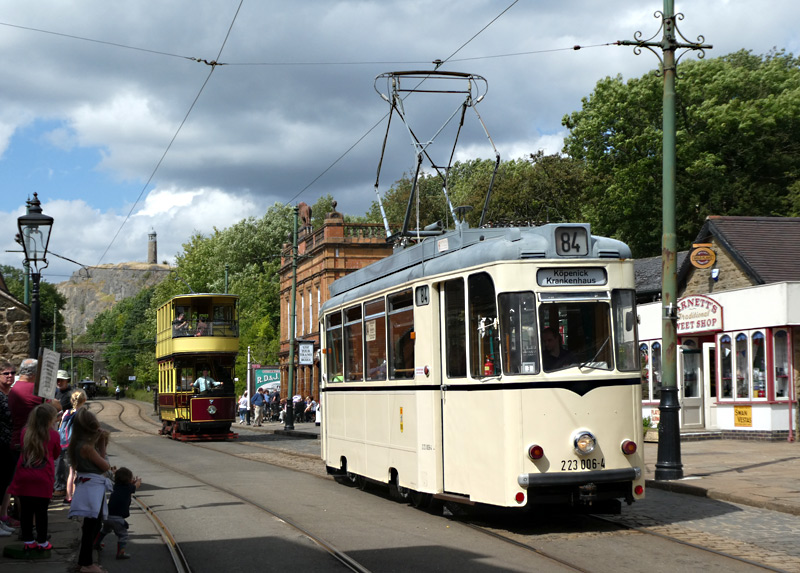
Built in 1969; adapted by Crich Tramway Village for use as an
accessible tram by removing some seats, creating a flat interior
floor & installing a wheelchair lift. Launched at Crich Easter 1997.
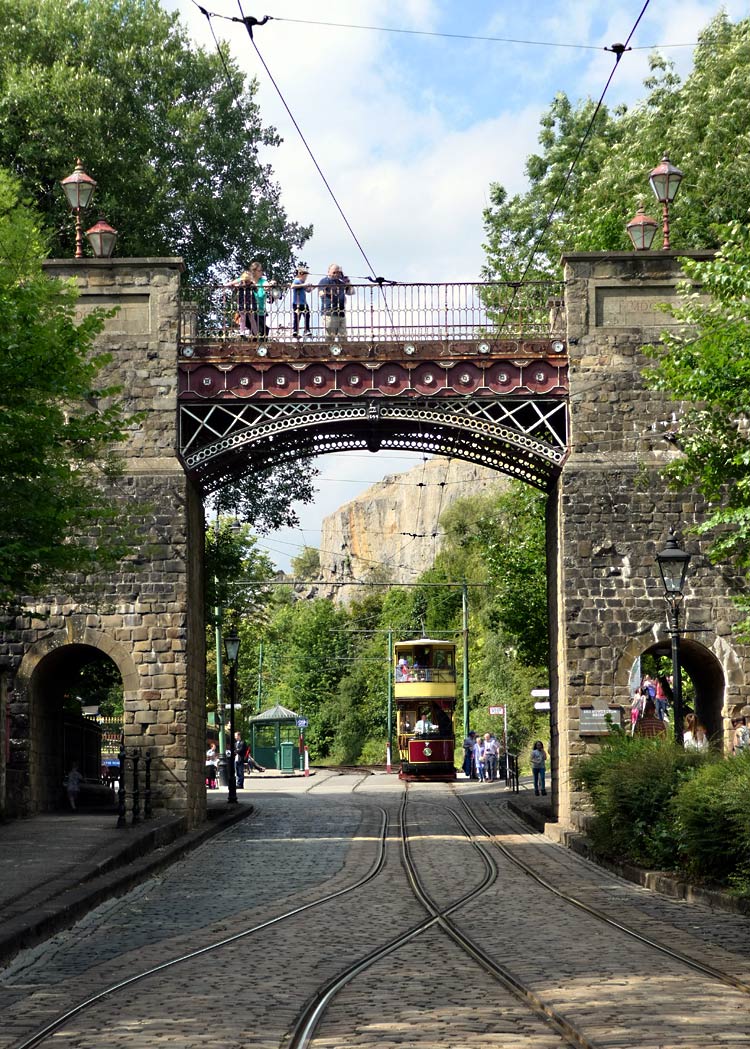
(In the distance) Balcony tram Chesterfield No.7.
tram stop with the iconic Bowes-Lyon Bridge in the foreground.
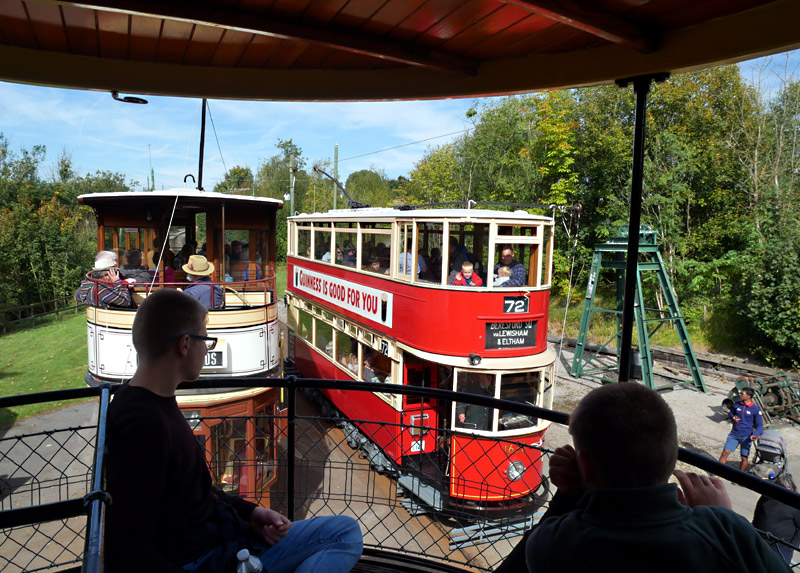
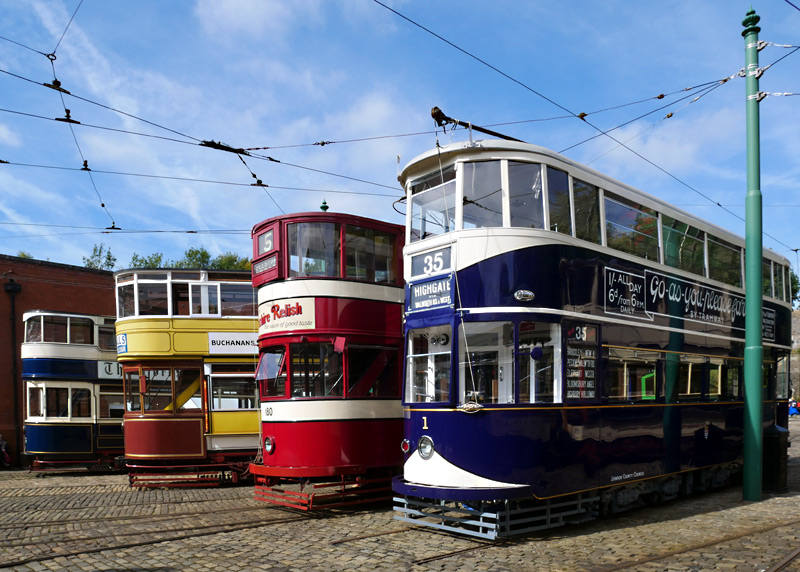
as seen from the upper deck of Balcony tram Chesterfield No.7.
plus London County Council No.1 'Bluebird'.

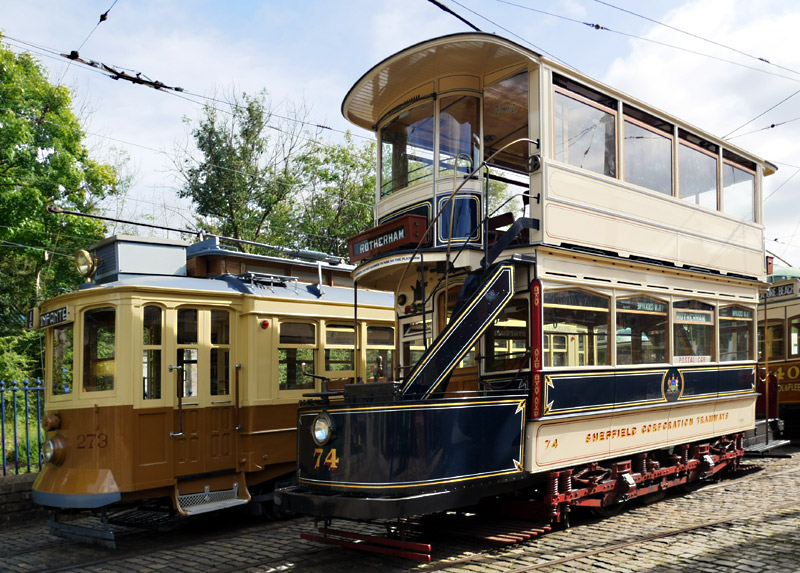
to the upper deck and zero weather protection for the tram driver.
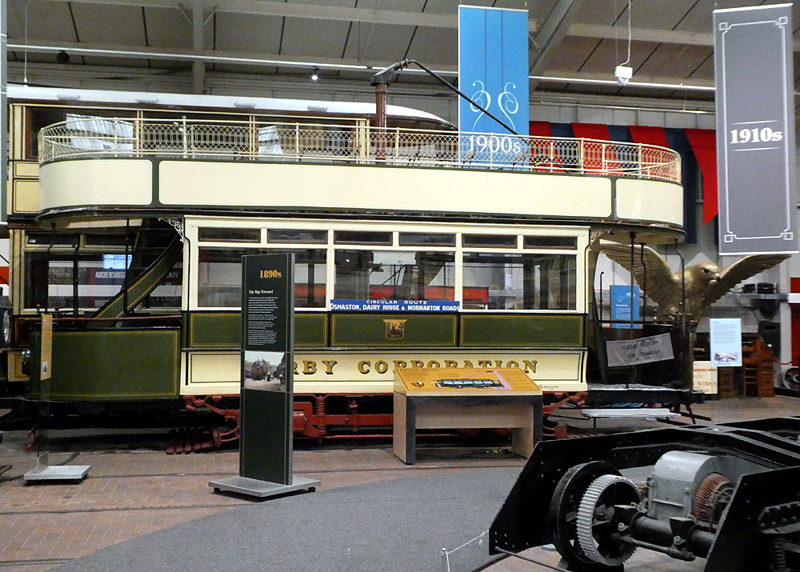
Left: Derby No.1.
Right: Blackpool Balloon No.712, Edinburgh No.35, The Hague (Holland / Netherlands) No.1147, Glasgow No.1297 and Leeds No.602.
There is also a national trolleybus museum - this is in Sandtoft.

and Nottingham No.506 (green).
Bournemouth No.56 (brown and cream)
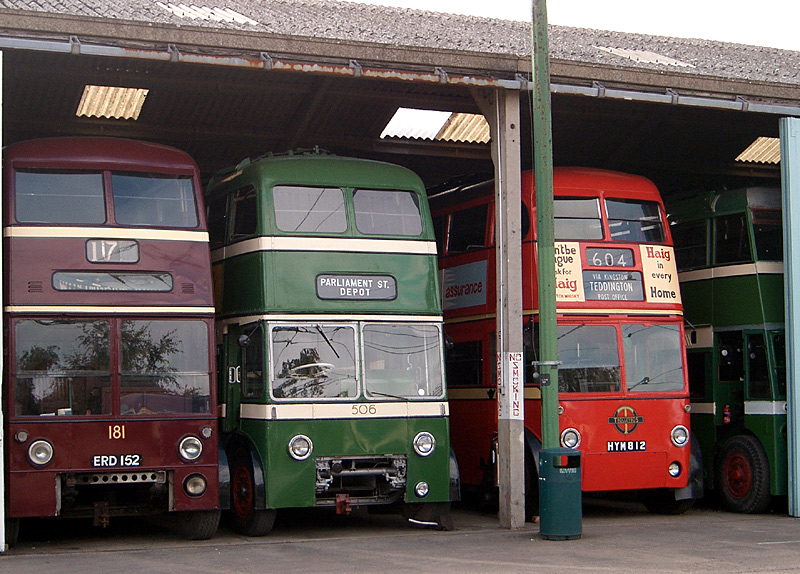

- they almost look like racing horses in stables!
Reading No.181, Nottingham No.506 and London No.812.
A fully indoor museum is the Riverside Museum in Glasgow. This Museum has many types of transports, but this page only looks at trams and the trolleybus.
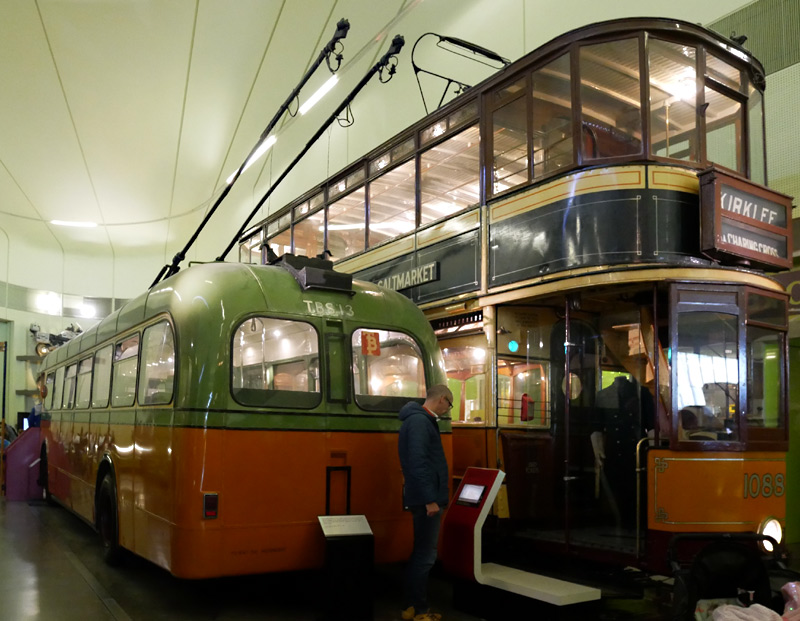
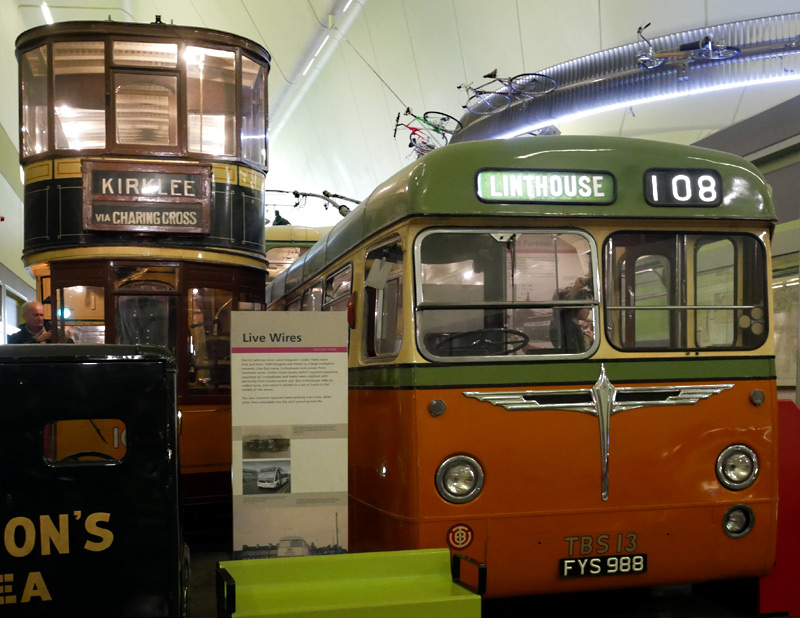
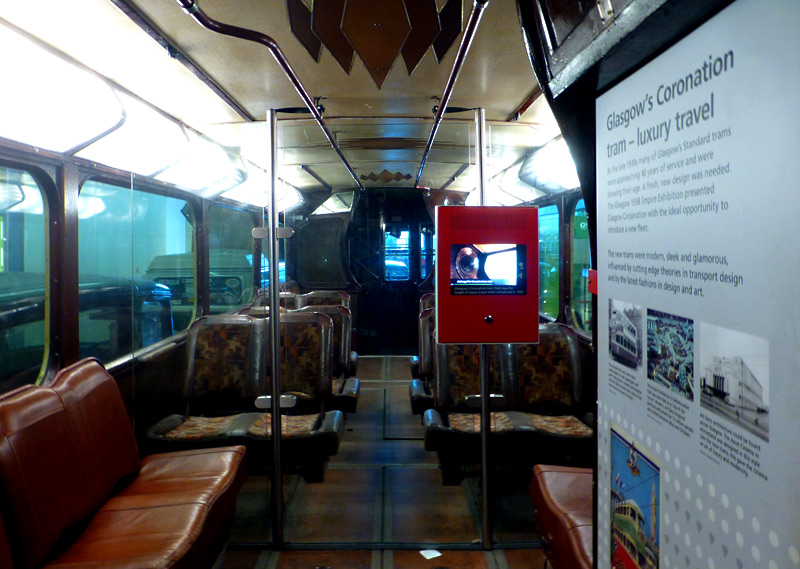
Above, right and below:
Art Deco Glasgow Coronation tram No.1173.
Above: Inside the well appointed lower deck.
Right: External three-quarter view.

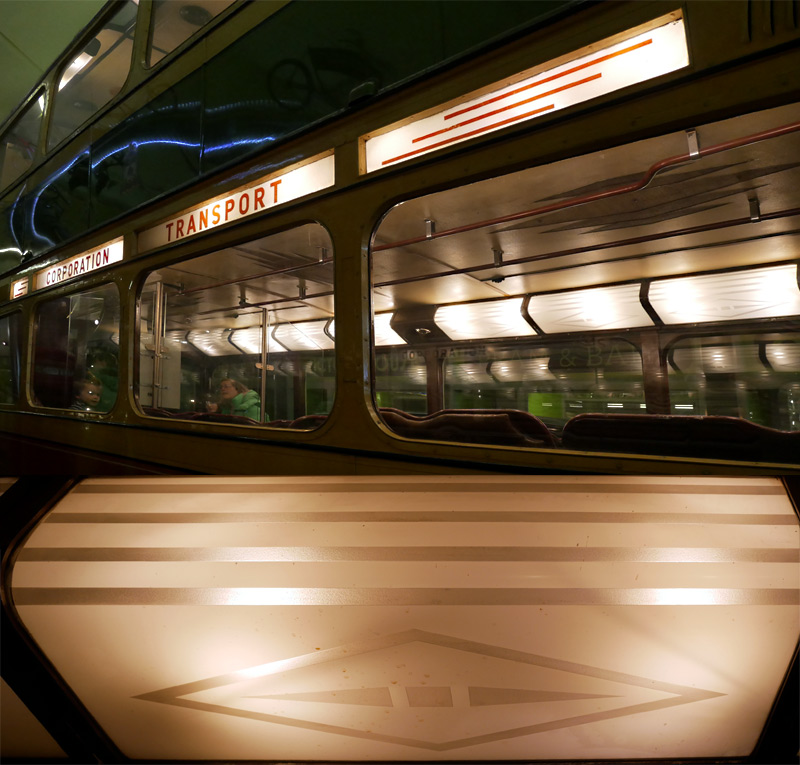
close-up view of one of the Art Deco glass lampshades.
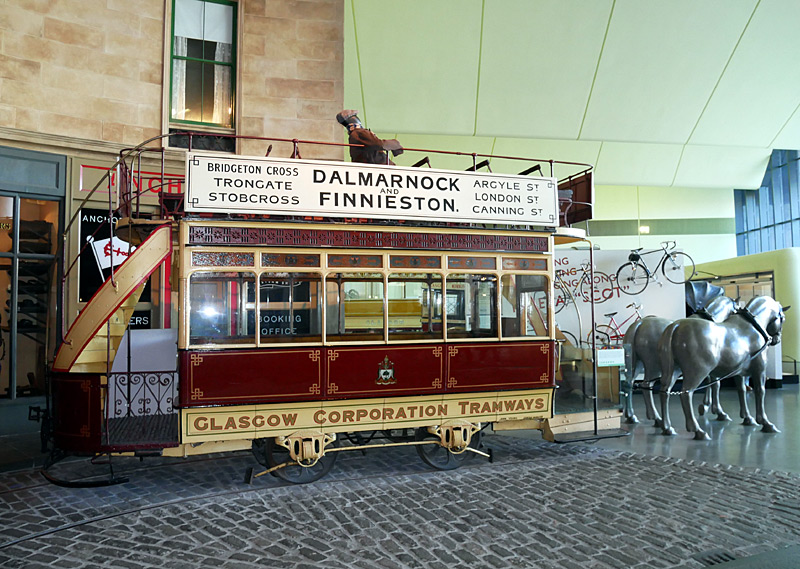
has added a static exhibit of a former Glasgow horse tram.
Another indoor museum which includes a recreated street scene is Milestones Museum which is in Basingstoke, Hampshire.
Milestones Museum also has a former Portsmouth trolleybus. This is not being shown here because there is nothing to advertise that this vehicle is indeed a trolleybus. Not only is there a total lack of overhead wires but the vehicle does not even have trolleypoles, which is rather unfortunate given that these were essential aspects of successful trolleybus operation!
Maybe the situation has changed since my visit, but I felt that in many ways the lack of overhead wires (and trolleypoles on the trolleybus) detracted from their attempts at realistically portraying life in their chosen time periods, reducing this to something akin to an AI pastiche. Of course the wires would be expected to be unpowered. Just visible!


Victorian-era section of street scene at Milestones museum.
Typically these were used by both tram and trolleybus systems, enabling
the overhead wire maintenance people to reach the overhead wires.
It would be fantastic if in the future there
could be a waxwork crew demonstrating this!
It is possible to ride on both historic trams and trolleybuses at the East Anglia Transport Museum at Carlton Coleville near Lowestoft, Suffolk.
These views very much encapsulate the ambiance of this living museum - and many of its contemporaries.
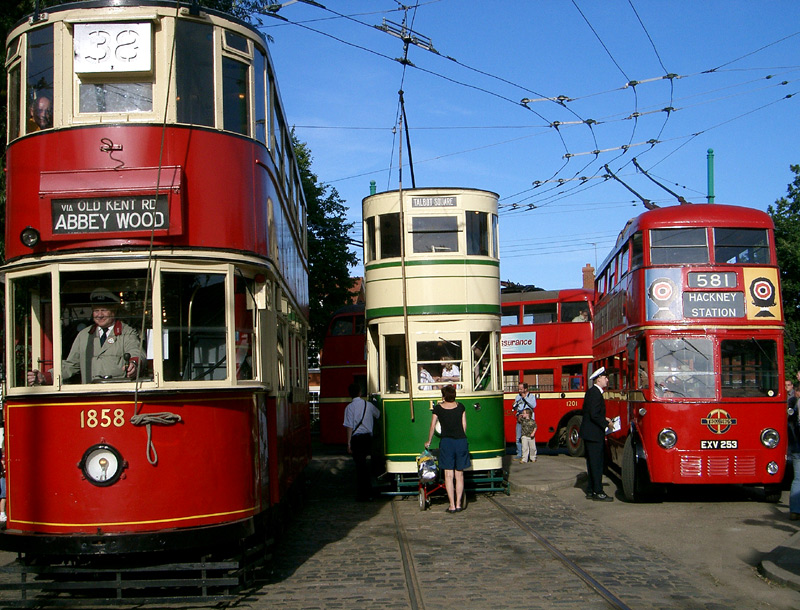
plus London trolleybuses (Nos.1201 and 1523)
at the East Anglia Transport Museum (EATM).
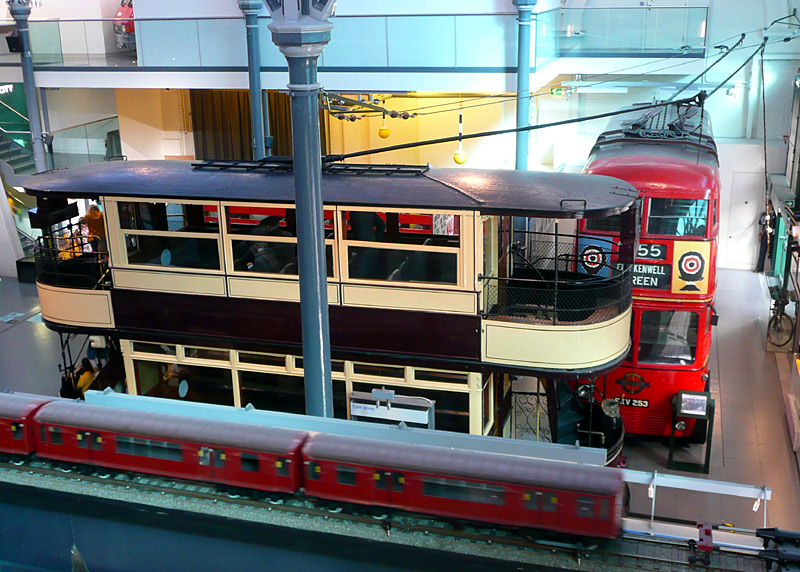
which is at Covent Garden, Central London.
Note the waxwork of a bus conductor resiting
the trolleypoles on the overhead wires.
*West Ham Corporation tramways No.102
*A model of a 1930s flare-sided subsurface Underground train (O / P / Q38 Stock) - this working exhibit travels to and fro along a short section of track.
Trolleybus EXV 253 (ex-London No.1523) is normally to be found at the London Transport Museum at Covent Garden, but was at the EATM for a short 'holiday'. Whilst here it operated electrically and carried passengers for the first time since 1961 - a function it performed flawlessly, requiring surprisingly little amount of advance preparation either!
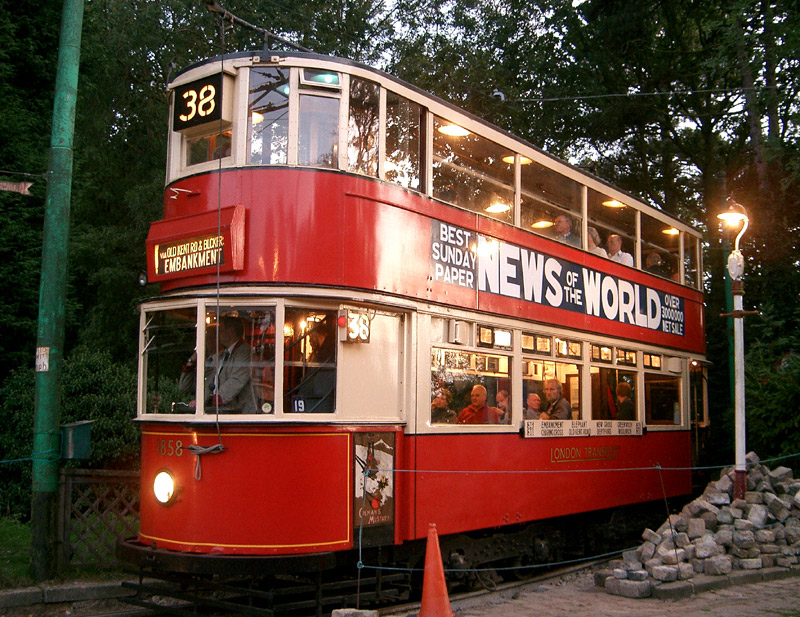


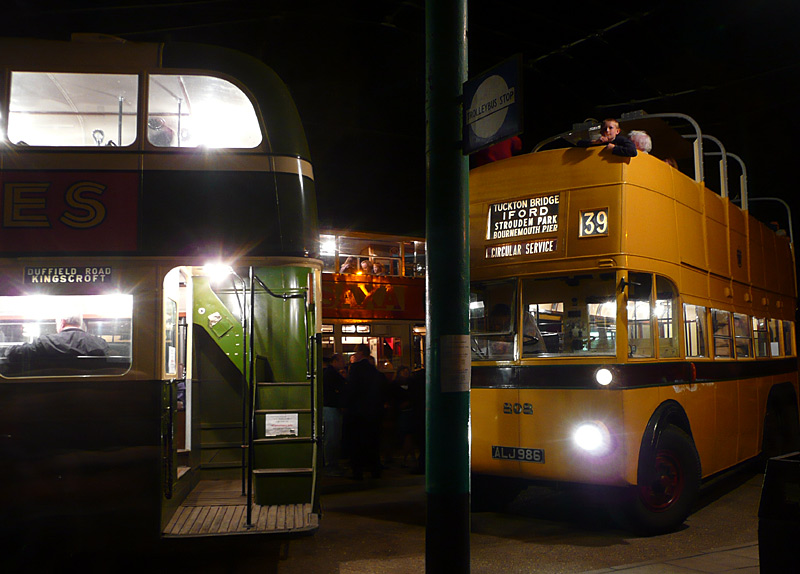
2 + 1 seating plus some space for standing passengers.
Because trams can travel in two directions they feature reversible seat backs, so that passengers would normally always sit facing the direction of travel.
Here we see Derby No.237, London tram No.1858 (in the background)
and Bournemouth No.202 - the seaside resorts' open top trolleybus.
In May 2012 the East Anglia Transport Museum hosted a special London-themed event to commemorate it being 50 years since the replacement of what had been a very large 'clean-air electric' trolleybus system in London with diesel buses that emit noxious waste gases in to the street environment. It was also 60 years since the same fate had befallen London's 'clean-air electric' trams.
Two special visiting trolleybuses were No.796 (which for many years had been in Paris, France) and London's first trolleybus - No.1 - which has an affectionate ickname of 'Diddler'. Normally No.1 is to be found as a static exhibit at the London Transport Museum Acton Depot.
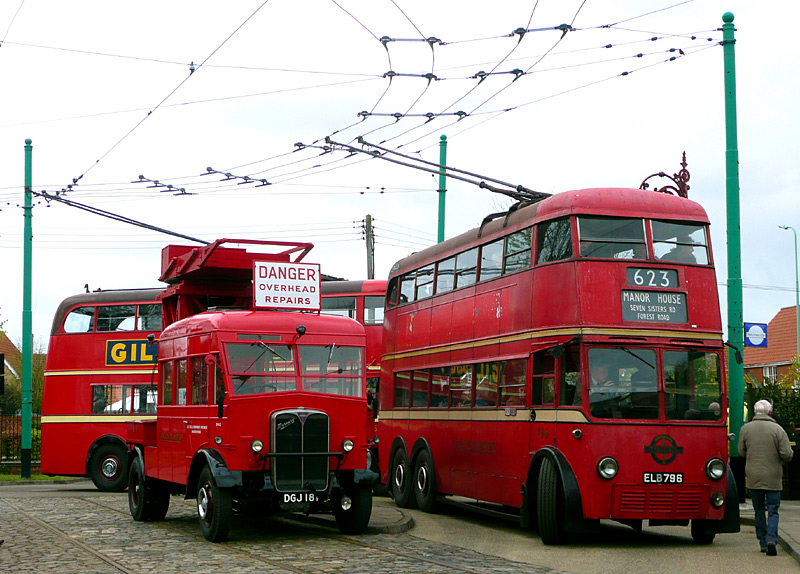
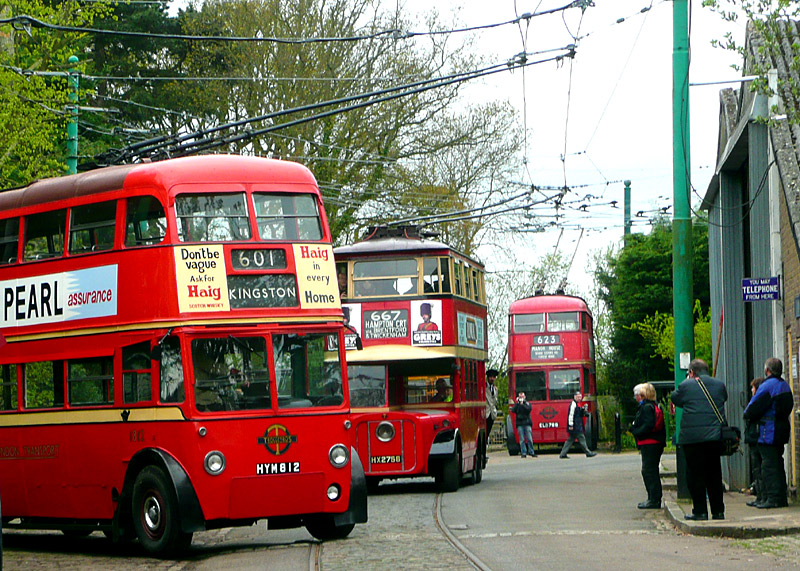
two trolleybuses - Nos. 1521 (I think) and 796.
 |
 |
 |
|
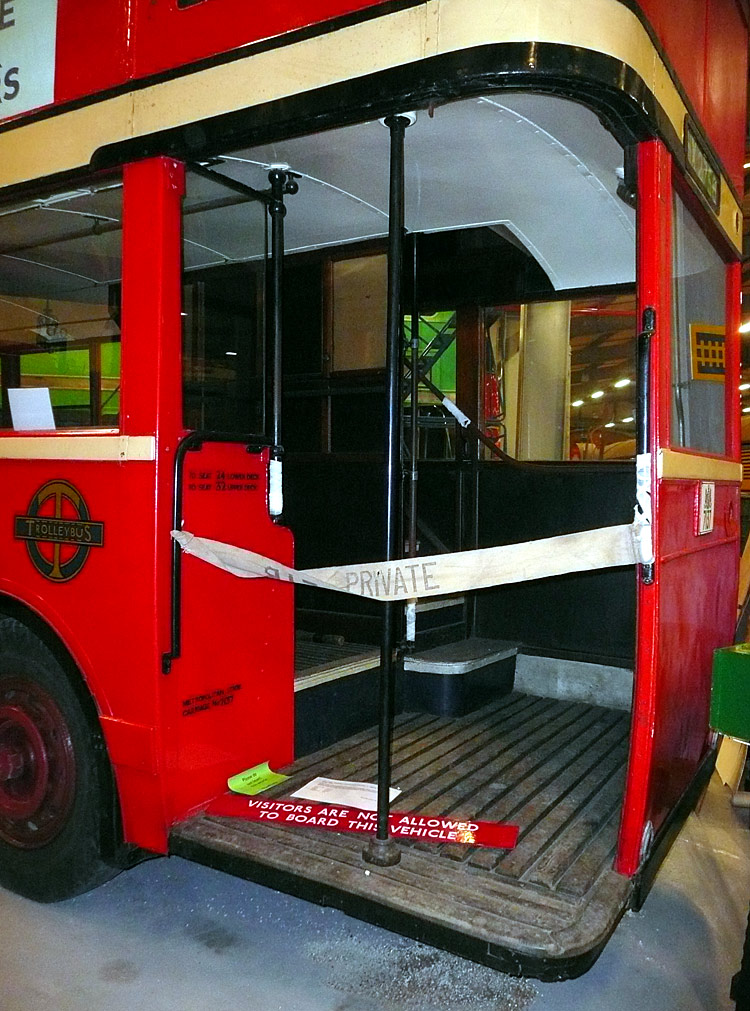 |
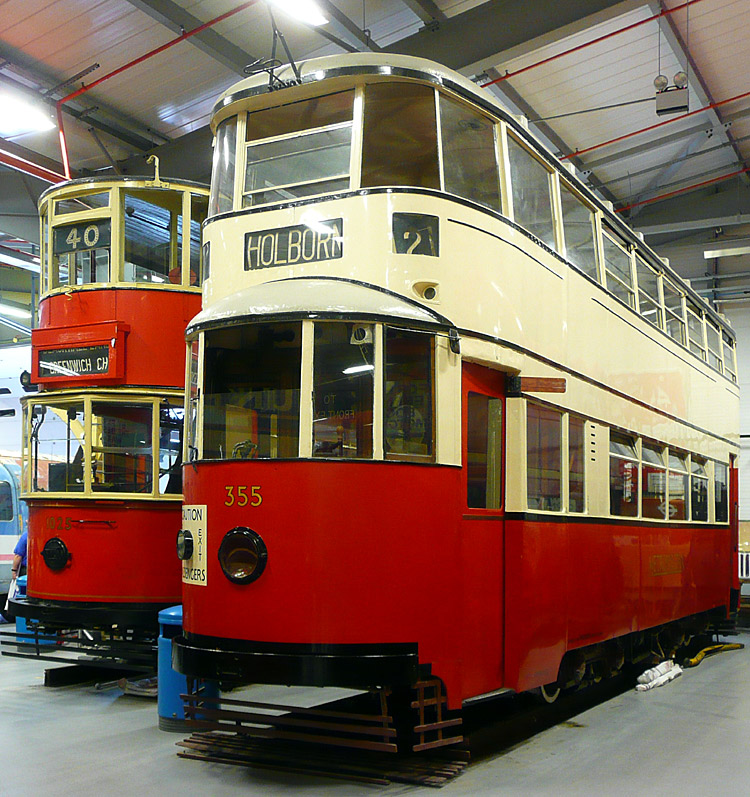
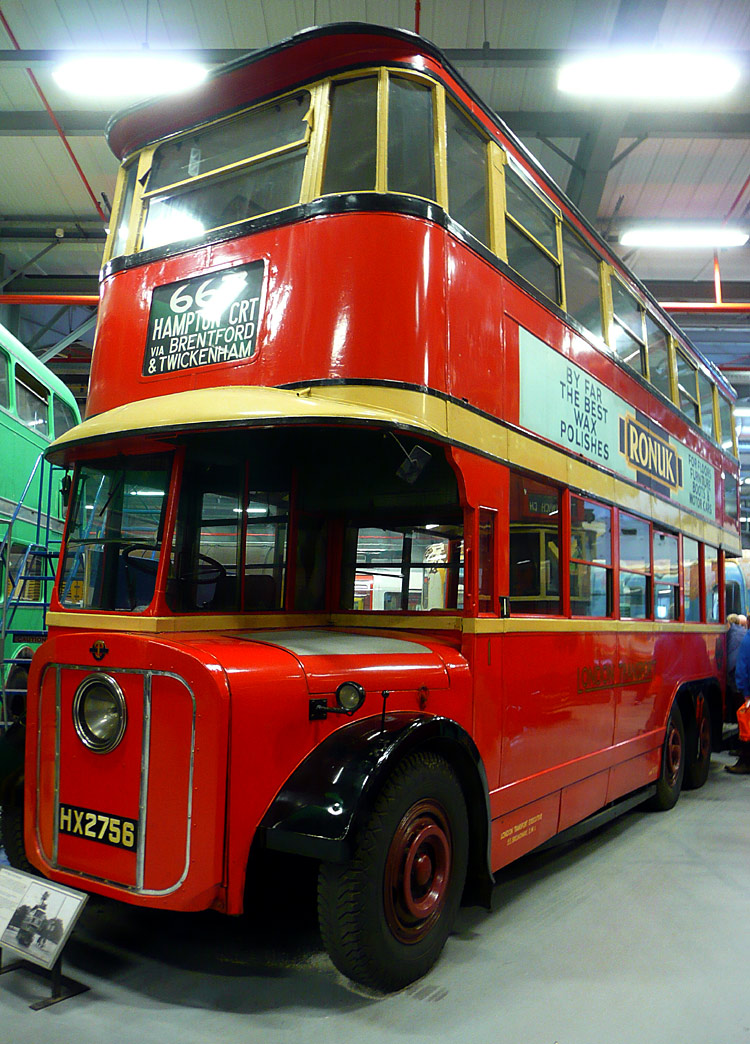
London Transport Museum's Action depot, which opens to the pubic several times a year..
The Beamish Living Museum is not about transport per se but it uses historic trams (and a motor bus) to meet real transport needs carrying visitors between some of the differently themed areas located within the site. My next visit will be when trolleybuses start serving the new 1950s street scene.


Right: An overview of the town centre, as seen from the upper deck of Blackpool No.31. Note the passenger wearing 'rainy weather' clothing!
The Black Country Living Museum (BCLM) is also about local history and uses trams and trolleybuses as modes of transport within part of the site.
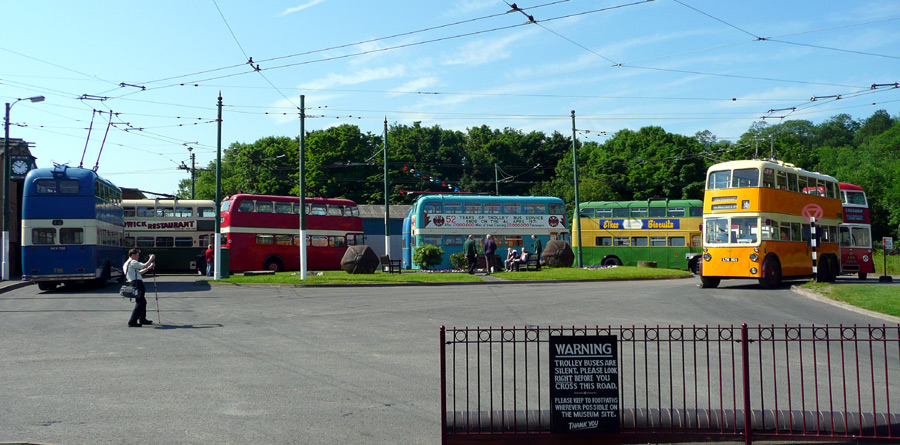
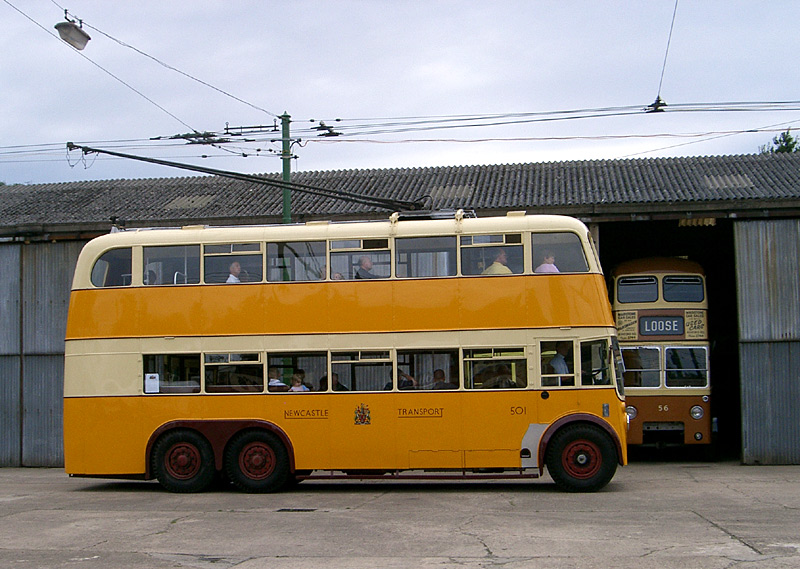
Trolleybuses at the BCLM where they wait until it is their turn to carry passengers. The vehicles seen here are:
Newcastle-Upon-Tyne No.501 (yellow and white), Belfast No.246, Wolverhampton No.433, Teeside No.T291,
Walsall No.862 (behind Teeside), Huddersfield No.1244, Derby No.237 and Bradford No.735 (blue and white).
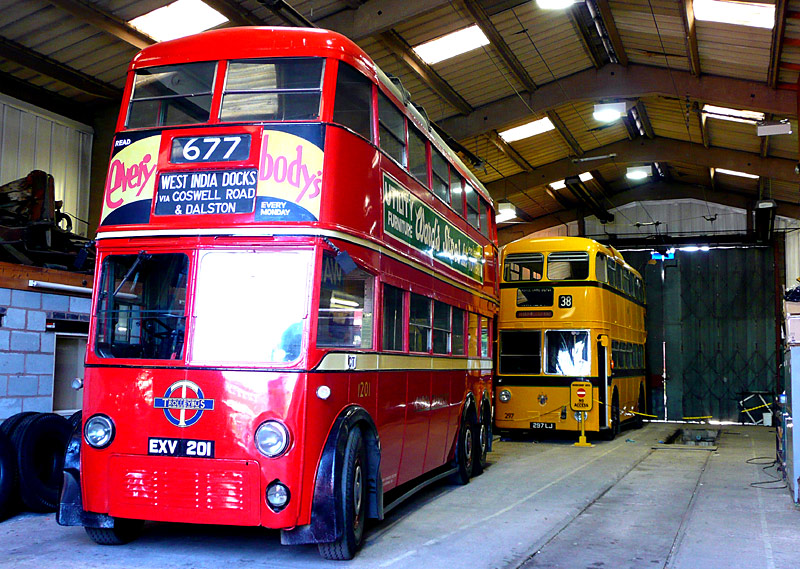

at the Black Country Living Museum (BCLM).
plus Dudley and Stourbridge tram No.5.
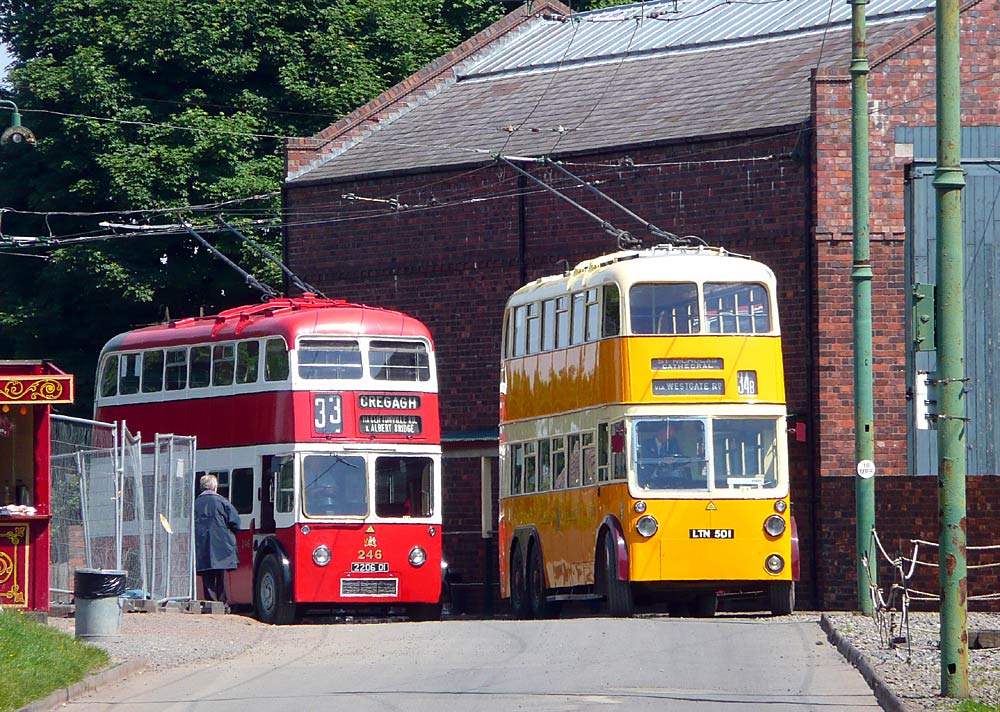
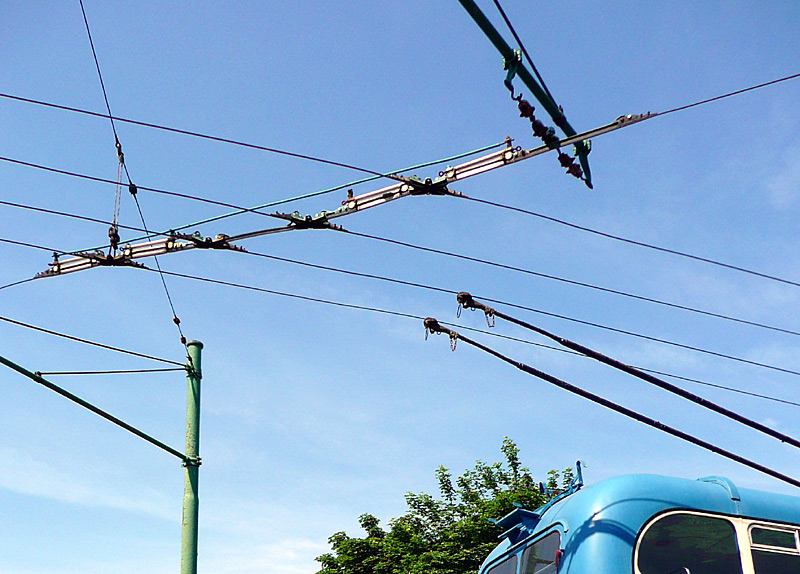
at the far end of the trolleybus route.
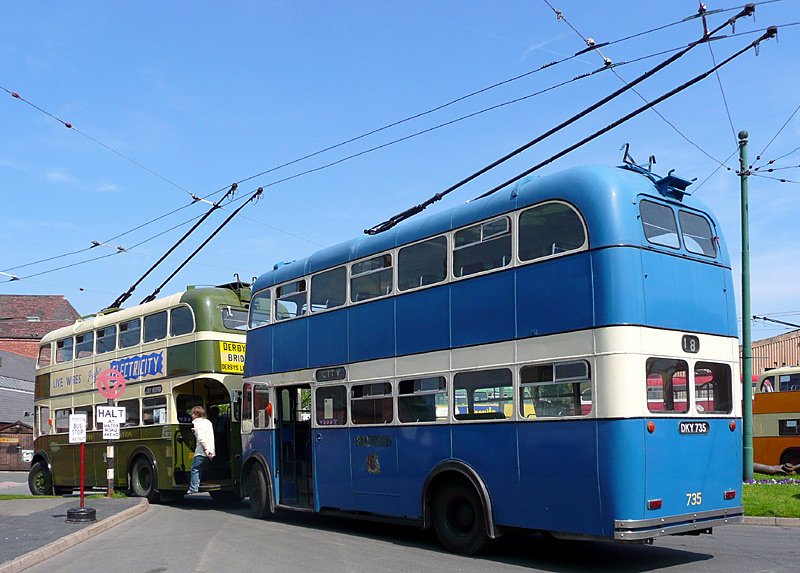
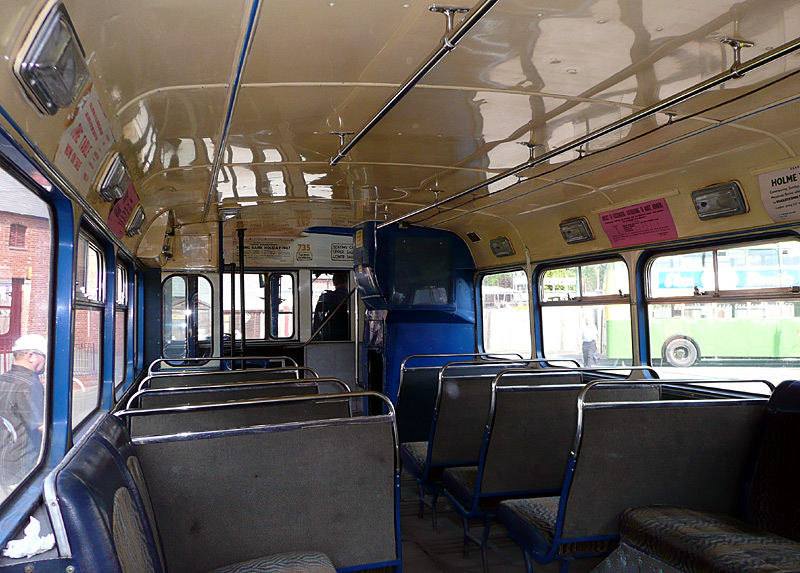
rear platform and Bradford No.735 with a doored front entrance.
the bus driver sits in a private cab (with door), behind the cab are
the bus entrance / exit doorway and stairway to the upper deck.


alongside it and Walsall No.862 behind it.
Adjacent to the BCLM is the Dudley Canal Trust where visitors can enjoy a ride through local canals on electrically powered narrow boats.
Most of the tour is through canal tunnels and visitors who are feeling energetic can practise 'legging', which quite literally is propelling the narrow boat through the tunnels by sitting down (or, even better, laying on one's back) and walking on the inside of the tunnel. In 'ye olden days' this was necessary because the horses which pulled the boats along the canals could not be used in the tunnels.
The tour also includes passing some limestone mines where wax models (of people) are used to depict typical scenes from during the working day.

Mooring (ie: 'parking') a Dudley Canal Trust boat.
This is done using a long pole with a hook at the end to latch onto metal
rings fixed into the quayside and pull the boat towards the towpath.


propulsion by walking on the inside of the tunnel!
many as three narrowboats might be in service simultaneously.


The Birkenhead / Wirral Tramway is located on the Wirral, Merseyside, (close to Hamilton Square Merseyrail station / just across the River Mersey from the city of Liverpool). In addition to an indoor museum there is street tramway. Whilst many of the transports here date from historic times there are two Hong Kong trams which were specially built for this tramway and unlike the narrow gauge trams in Hong Kong these are standard gauge.
Unfortunately, at the time of this 2026 page update the museum and tramway are closed. These views date from happier days (in 2005 and 2009) when the museum was open.

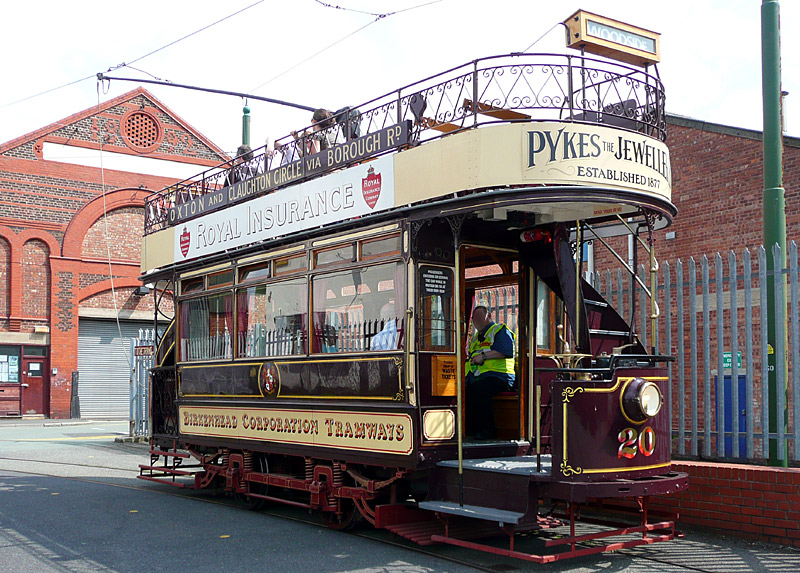
tramway passing through the old dock gates at the end of Shore Road.
of this museum this tram has been relocated to Crich Tramway Village.
Most of the double-deck trams seen on this part of this page are from 'living museums'. Nowadays only two locations still feature double-deck trams used in full passenger service. These are Hong Kong and Alexandria, Egypt. Nowadays the Blackpool - Fleetwood tramway only uses double deckers as leisure-themed extras (ie: not the main service).
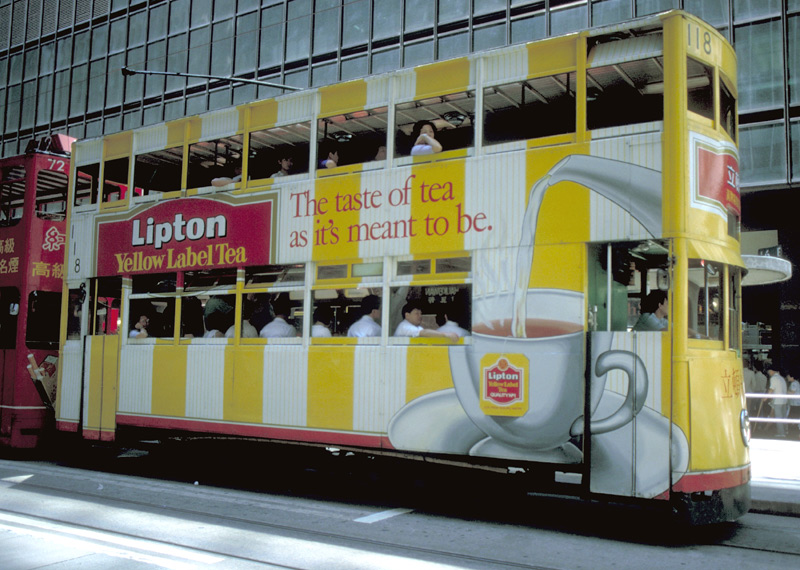

(Image from an electric railway vehicle manufacturer's promotional brochure).
For more information about the living museums seen on this page visit their websites :
The National Tramway Museum / Crich Tramway Village - http://www.tramway.co.uk/
The East Anglia Transport Museum - http://www.eatransportmuseum.co.uk/
The Trolleybus Museum at Sandtoft - http://www.sandtoft.org
The Black Country Living Museum - http://www.bclm.com/
The Dudley Canal Trust - http://www.dudleycanaltrust.org.uk/
Milestones Museum - https://www.milestonesmuseum.org.uk/
Glasgow Riverside Museum - https://www.glasgowlife.org.uk/museums/venues/riverside-museum/

